
Increase MMDA administrative cap to strengthen oversight — RISE-Ghana
The Rural Initiatives for Self-Empowerment Ghana (RISE-Ghana), a youth-led national Non-Profit Organisation (NGO), has called for an upward review of the administrative expenditure cap for Metropolitan, Municipal and District Assemblies (MMDAs).
The organisation argued that the continued capping of administrative and oversight expenditure at five per cent is weakening local governance systems, limiting effective supervision and accountability, and contributing to the recurring financial irregularities highlighted in successive Auditor-General's reports.
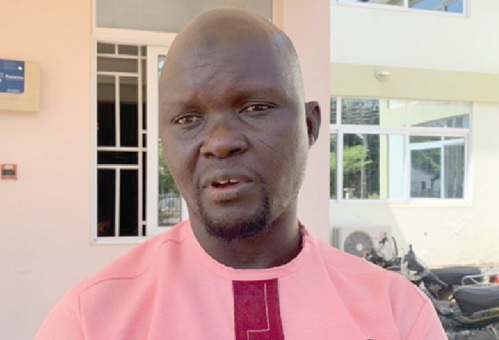
"The current five per cent should at least be increased to 10 per cent to strengthen oversight and improve local governance systems," the organisation proposed in a statement signed and issued by its Executive Director, Alhaji Awal Ahmed Kariama.
Rising irregularities
The organisation expressed concern that despite repeated recommendations by the Auditor-General, financial irregularities within MMDAs continued to recur, suggesting deep-rooted systemic challenges.
It noted that Auditor-General's reports over the years had consistently highlighted widespread cash, contract, procurement, payroll and tax irregularities across the assemblies.
According to the organisation, irregularities associated with the management and utilisation of District Assemblies Common Fund (DACF) resources between 2020 and 2024 exceeded GH¢452 million, with a significant rise to GH¢205.9 million recorded in 2024 alone.
"The recurrence of these infractions points to systemic weaknesses rather than isolated incidents," it stated.
Limited resources for oversight
RISE-Ghana argued that while substantial portions of DACF allocations were earmarked for infrastructure, sanitation, health, education and flagship government programmes, the administrative functions required to ensure accountability were severely underfunded.
The organisation explained that critical activities such as project monitoring, record management, procurement compliance, financial management, inspections and the implementation of audit recommendations were expected to be carried out with only five per cent of DACF allocations.
"In practice, many assemblies lack the resources needed to adequately supervise projects, maintain accurate records, conduct regular inspections and enforce accountability mechanisms," it noted.
Auditor-General's findings
The statement cited findings from the Auditor-General's 2024 report, which indicated that all 261 MMDAs audited recorded various irregularities.
It said the irregularities were largely attributed to non-compliance with laws, regulations and established internal control procedures.
According to RISE-Ghana, the findings reinforced the need to strengthen administrative and oversight functions within local government institutions.
