
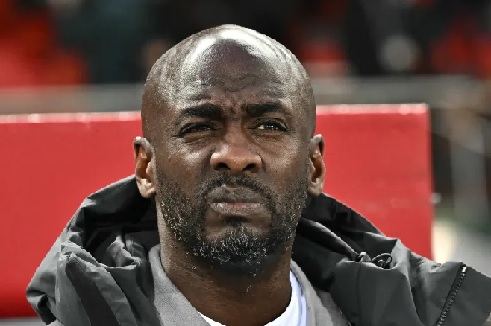
Ghanaian football stands at a defining crossroads, and the next decision by the Ghana Football Association will reverberate far beyond the dugout.
With the 2026 FIFA World Cup looming, the choice of a new head coach is no longer a routine administrative exercise—it is a high-stakes strategic call that could either revive the Black Stars or deepen a worrying cycle of decline.
The circumstances surrounding the search expose a federation operating under pressure. The dismissal of Otto Addo, following successive defeats to Austria and Germany, has the hallmarks of reactive governance rather than measured planning.
With barely two months to Ghana’s opening group match against Panama on June 17, the GFA finds itself in a race against time—an uncomfortable position for a nation with such a proud footballing heritage.
This urgency, however, is not an isolated incident. It reflects a deeper structural problem.
Five coaches in six years is not merely a statistic—it is an indictment of inconsistency, poor succession planning and the absence of a coherent football philosophy.
In elite sport, technical leadership is not transactional; it is foundational. Constant turnover erodes tactical identity, disrupts player trust, and ultimately weakens performance on the global stage.
Ghana’s recent struggles at major tournaments underline this reality. The Black Stars have not only lost matches—they have lost clarity, cohesion and, crucially, belief. Appointing another coach under rushed conditions risks compounding the problem rather than solving it.
The current shortlist—featuring names such as Slaven Bilić, Carlos Queiroz, Tom Saintfiet and Kwesi Appiah—presents varied tactical profiles and experiences.
Yet the debate must go beyond credentials. The critical question is not who is available, but who fits Ghana’s football identity, understands its player dynamics, and can deliver under intense scrutiny within a compressed timeline.
Complicating matters further is the financial constraint. A reported salary ceiling of $50,000 per month limits access to elite managerial talent, while the proposal of a short-term, four-month contract introduces instability into an already fragile environment.
Tournament football demands clarity of vision and continuity of preparation—neither of which aligns with a stopgap appointment driven by expediency.
This is where leadership must rise above panic. The GFA, under President Kurt Simeon-Okraku, must resist the temptation to prioritise immediacy over strategy.
Consultation with government, as indicated by Sports Minister Kofi Iddie Adams, is necessary, particularly given public funding. But alignment must not dilute accountability.
The decision must be guided by technical rigour, not political convenience.
The stakes could not be higher. Ghana’s World Cup campaign is not just about results; it is about restoring credibility, rebuilding a winning culture, and reasserting the nation’s place among Africa’s elite.
A misstep now could extend the team’s struggles well beyond 2026, affecting player development, fan confidence and commercial value.
Conversely, the right appointment—grounded in clear philosophy, strong leadership and contextual understanding—can stabilise the team, unlock its potential and provide a platform for long-term success.
This is not merely about hiring a coach. It is about making a decision that defines the future of Ghana football. The margin for error is gone.
