
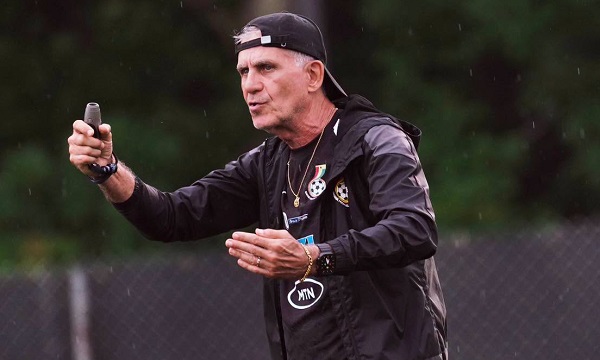
Without his captain, chief creator and most explosive forward, Carlos Queiroz must find a way past Côte d’Ivoire in Bouaké tonight as Ghana begin the mission to return to the Africa Cup of Nations (AFCON) stripped of some of her most influential players, and confronted by an opponent with home advantage — and a coach who knows how to hurt the Black Stars.
Jordan Ayew, Mohammed Kudus and Antoine Semenyo headline an injury list that has stripped the Black Stars of experience and attacking firepower for their Group C opener at the Stade De La Paix. Defender Baba Abdul Rahman is also unavailable, forcing the Portuguese coach to reshape his side for an assignment that demands both defensive resolve and attacking imagination.
Waiting for them is Hervé Renard, the former Ghana assistant coach who knows the Black Stars well and has twice wrecked their continental ambitions, adding another layer of difficulty to an already daunting encounter.
Today’s encounter against a formidable home side will provide an early test of Queiroz’s resources, tactical flexibility and ability to deliver under pressure in the rebuilding project entrusted to him after the World Cup. And for a nation that missed the last AFCON, another faltering campaign would be difficult to stomach for Ghanaians.
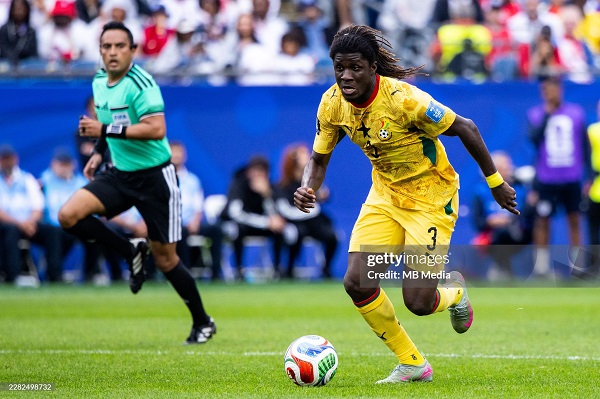
The opening assignment brings together West African rivals with seven African titles between them, but history offers no guarantees for either side. It also sets the tone for a qualifying campaign running through March 2027, with only the top two progressing after six home-and-away matches to the finals in Uganda, Kenya and Tanzania next June.
Ghana host The Gambia in Accra next Tuesday, September 29, while Côte d’Ivoire face Somalia on Match Day Two. A positive result in Bouaké with Ghana’s depleted side would provide a valuable foundation before that quick turnaround Ghanaians expect of Queiroz and his players.
New faces, bigger responsibilities
Ghana’s preparations have unravelled around a succession of withdrawals. Kudus, initially recalled after a seven-month injury lay-off, ruled him out of the 2026 World Cup, opted to continue his recovery at Tottenham Hotspur. Manchester City forward Semenyo withdrew at the 11th hour with an ankle problem, while injuries also forced out veteran Ayew and Abdul Rahman.
The withdrawals have disrupted more than just Queiroz’s preferred line-up, but also have removed players capable of deciding a tight contest, with the losses cutting across creativity, attacking penetration, leadership and defensive experience. They also leave the coach asking less established internationals to assume greater responsibility in one of the group’s toughest fixtures.
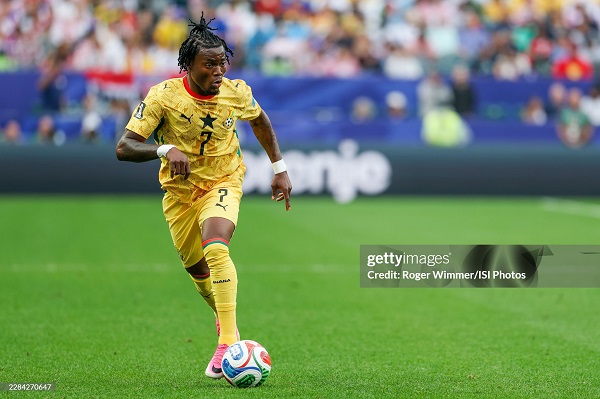
Their absence places greater responsibility on Ernest Nuamah, Abdul Fatawu Issahaku, Ibrahim Osman and Christopher Bonsu Baah to turn promise into big-match influence. Late additions Brandon Thomas-Asante, Turkey-based Felix Afena-Gyan and Mohammed Fuseini provide further attacking options, while Jan Gyamerah and Ronald Donkor arrive after earning call-ups due to their club form.
The question is whether those individual opportunities can translate into a coherent performance against a physically imposing Ivorian side.
There is at least a significant reinforcement at the back. Alexander Djiku, who also missed the World Cup through injury, returns to offer experience and authority. He was among the 18 players who departed Accra on Wednesday morning.
The Spartak Moscow centre-back’s leadership could be essential against an Ivorian side equipped to test Ghana’s organisation, concentration and physical resilience.
Ghana’s recent competitive experience offers some encouragement. Queiroz guided the black Stars into the knockout stage of the 2026 World Cup, where a 1-0 defeat to Colombia ended their campaign in the Round of 32. That resilient run, built around a heavily defensive approach, persuaded the Ghana Football Association to award him a long-term extension.
Familiar threat
Côte d’Ivoire are also entering a new cycle, with Renard returning for a second spell and selecting eight newcomers in a 25-man squad.
The three-time African champions have absences of their own. Manchester United’s Amad Diallo and Wilfried Singo are injured, while established names including Sébastien Haller and Simon Adingra are missing.
Even so, Franck Kessié, Ibrahim Sangaré, Evan Ndicka and Ousmane Diomandé provide a formidable core, with Nicolas Pépé and Elye Wahi offering attacking danger.
Renard brings another advantage to the hosts, given familiarity with Ghana’s football and experience of overcoming the Black Stars when the stakes are highest. He worked under compatriot Claude Le Roy in Ghana’s technical team at AFCON 2008 before winning the tournament with Zambia in 2012 and Côte d’Ivoire in 2015, beating Ghana during both campaigns.
