


THE President of the Ghana Tourism Federation (GHATOF), Seth Yeboah Ocran, has called for collective responsibility and stricter enforcement of regulations to address persistent challenges within Ghana’s tourism sector.
He also proposed the establishment of a national restaurant association to improve communication, regulation and enforcement across the hospitality industry.
Speaking with Graphic Showbiz at the stakeholder engagement hosted by the Ghana Tourism Authority (GTA) in Accra recently, Mr Ocran also proposed annual training and certification across the tourism value chain, citing the need for unique identification systems to track service providers, including taxi drivers.
This, he said, would help address issues such as safety concerns and pinpoint non-compliant establishments.
“I propose we expedite the formation of a restaurant association to streamline communication, regulation and enforcement. Beyond this, we must be intentional about driving change.
“And that is why I also advocate for annual training and certifications across the tourism sector, assigning unique identifiers to service providers, such as the taxi numbering systems in other countries, to enhance accountability and traceability,” he said.

Mr Ocran, who is also the Executive Chair of Yoks Investment Limited, underlined the need for a deliberate, calculated approach to grow the tourism sector's contribution to Ghana's GDP, currently at 5.5-7 per cent.
He highlighted Ghana's natural advantages, including its strategic West African location and a rich, safe history tied to icons such as Kwame Nkrumah, W.E.B. Du Bois, and George Padmore, and called on stakeholders to leverage these assets intentionally to drive growth.
“Ghana is found at the centre of the world, which is a big selling point for tourism. But how are we leveraging it? We should be intentional about some of these things to boost our tourism,” he said.
The stakeholder engagement provided a valuable platform for GTA to discuss key issues and chart a way forward for Ghana's tourism and hospitality industry.
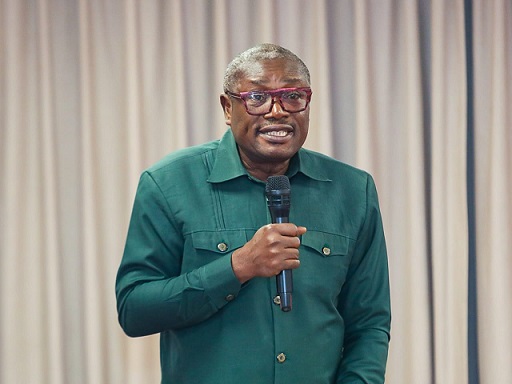
The Deputy Chief Executive Officer of the Ghana Tourism Authority, Operations, Mr Ekow Sampson, warned operators against imposing unauthorised service charges on customers.
"Service charges are not prescribed by Ghanaian law. Additional fees without consent or clear notice could be considered unfair trade practices,” he said.
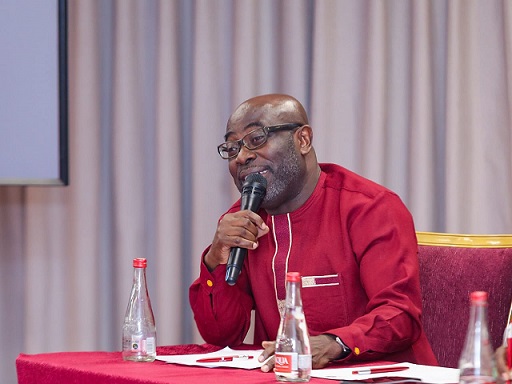
The Deputy Chief Executive Officer in charge of General Services, Mr Ben Anane Nsiah, highlighted the hospitality sector's crucial role in Ghana's socio-economic development.
Despite recording 1.3 million international arrivals last year, Ghana faces stiff competition from West African peers, and growth is slowing.
He, therefore, cautioned against adding "unnecessary obstacles" that make Ghana less attractive to tourists, citing high visa fees, airfares and hidden charges as deterrents.
Representatives of the various hotels, restaurants and other hospitality facilities also voiced concerns about GTA’s shortcomings as a regulatory body.
Key among them was GTA’s one per cent levy on tourism-related services to support the Tourism Development Fund (TDF).
Industry players further called for a broader, nationwide celebration of December in GH, rather than activities being concentrated largely in
