
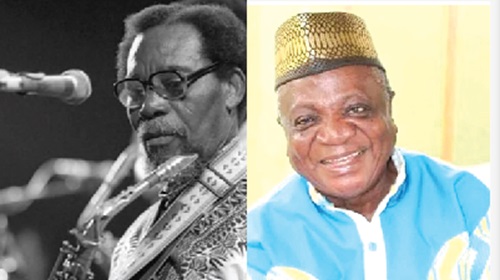
When UNESCO announced earlier this week that highlife music had been officially inscribed on its Intangible Cultural Heritage list, the global recognition felt both historic and deeply deserved.
Highlife is not only Ghana’s most influential musical creation but also arguably one of Africa’s most enduring cultural gifts to the world. To have it affirmed at the highest cultural level, exactly a year after the inscription of Kente, signals a profound moment for Ghana. It offers not just prestige, but a strategic opportunity to rethink how heritage, creativity and tourism can be woven into a sustainable national asset.
UNESCO itself has often noted that intangible heritage is “alive, dynamic and essential to contemporary society”.
In that spirit, highlife’s inscription should not be treated as a ceremonial achievement or a press-release moment.
It must be the beginning of a thoughtful national effort to safeguard, reinterpret and commercialise a heritage art form that continues to shape Ghana’s identity, from its independence era to its modern Afrobeats-infused soundscape.
Honouring the legends
This inscription is, above all, an honour to the giants who built and carried highlife over the decades. From the pioneering brilliance of E. T. Mensah, whose dance-band foundations gave Ghana its post-independence soundtrack, to Nana Ampadu, the immortal storyteller who composed more than 800 songs, the genre’s lineage is unmatched on the continent.
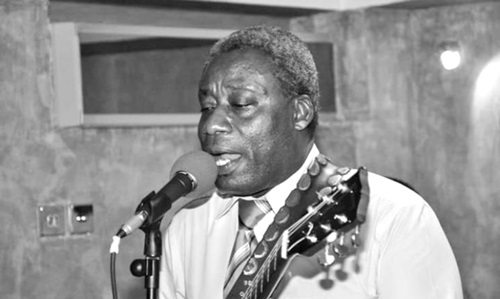
George Darko
It also celebrates innovators such as George Darko, father of Burger Highlife; A. B. Crentsil, whose humour and social commentary shaped popular culture; Ebo Taylor, the bridge between classic and contemporary Highlife; Pat Thomas, the voice whose purity defined an era and Obuoba J. A. Adofo, whose City Boys Band electrified audiences across Ghana.
We must also recognise the contributions of Wulomei, custodians of folk-inspired Ga cultural rhythms; Koo Nimo, the scholar-musician of traditional Highlife; Awurama Badu, one of the most profound women to conquer the highlife mainstream and C. K. Mann, Nana Tuffour, Akwasi Ampofo Agyei, Senior Eddie Donkor, Amakye Dede and Daddy Lumba, all of whom carried the genre into different generations.
These are but a few of the army of culture bearers who ensured Highlife remained relevant, danceable and beloved.
UNESCO’s inscription immortalises their work and creates a framework for future generations who will move the music into new frontiers.
Tourism opportunity
Heritage recognition is valuable, but what Ghana does with it matters even more. Highlife is an underdeveloped cultural tourism asset.
While other destinations monetise music heritage aggressively — Jamaica with reggae, Cuba with salsa, the United States with jazz and blues — Ghana has not yet fully turned Highlife into an experiential tourism product.
This is where UNESCO’s inscription becomes useful.
It gives Ghana an international stamp of authenticity that can be packaged into attractions, festivals, educational programmes, merchandising, exhibitions and diaspora experiences.
It also comes at a perfect moment.
The Ghana Tourism Authority has announced the launch of "100 Years of Highlife", a year-long celebration beginning on 19 December 2025.
If executed with depth and foresight, this can become a blueprint for a lasting cultural and economic project, not another one-off campaign.
What Ghana must do now
The inscription presents a once-in-a-generation opportunity to create a well-structured Highlife ecosystem that serves tourism, education, the creative economy and national identity. Several steps are essential.
First, Ghana must establish a dedicated Highlife Museum or Centre for Highlife Music, preferably in Accra, Kumasi, Takoradi or Cape Coast, the four historic hubs of the genre.
This centre should host archives, oral histories, performance spaces, digitised collections, instrument exhibitions and researcher facilities.
It can immediately become a tourism anchor and a cultural institution for knowledge preservation.
Second, the "100 Years of Highlife" celebration should not be simply a concert series.
It must include a strategic calendar featuring residencies, masterclasses for young musicians, international collaborations, travelling exhibitions, academic conferences, community outreach and curated tours that bring travellers into the story of Highlife.
UNESCO heritage status demands documentation and education; the GTA programme should align with this.
Third, Ghana must build tourism products around Highlife’s geographical roots.
Guided tours could connect visitors to the dance-band-era locations of Accra, the palm-wine Highlife traditions of the Western Region and the storytelling roots of the Eastern and Ashanti regions. Restaurants, nightlife districts, and hotels can incorporate highlife themes into their branding.
Fourth, policy support is needed for protecting archival material. Ghana risks losing vast amounts of its music history unless digitisation and preservation efforts accelerate. UNESCO’s listing provides a channel for technical support and funding partnerships.
Finally, Ghana must look outward. Highlife has influenced Nigeria, Sierra Leone, Liberia, Congo and the global diaspora.
Properly marketed, highlife can become a regional and international tourism brand that attracts thousands of music lovers, researchers, and culture enthusiasts to Ghana annually.
Recognition to transformation
Ghana now has two major UNESCO intangible heritage inscriptions in consecutive years: Kente in 2024 and highlife in 2025.
This is a rare global validation and a powerful gift to the nation’s cultural narrative.
Yet, recognition is only the beginning.
If Ghana fails to convert these achievements into tourism products, jobs, cultural education and international visibility, the inscription will become symbolic rather than transformative.
Highlife’s UNESCO elevation must become the start of a national project that preserves the genre’s history, celebrates its creators, nurtures new talent and positions Ghana as the global home of African music heritage.
This is the moment for Ghana to ensure that highlife not only lives in memory or nostalgia but also becomes the beating heart of a new cultural tourism economy.
