
Abstract
Intelligence agencies have become indispensable institutions for promoting peace, security, and democratic governance in African states. The evolving security landscape characterised by terrorism, violent extremism, transnational organised crime, cyber threats, constitutional instability, climate-related insecurity, and other hybrid threats has expanded the responsibilities of intelligence agencies beyond traditional information collection. This paper examines the role of state intelligence agencies in strengthening peace and security across Africa through intelligence-led decision-making, early warning, conflict prevention, counterterrorism, border security, cybersecurity, protection of constitutional order, and support to peace operations and diplomacy.
The analysis is anchored in theories which collectively explain the strategic importance of intelligence in protecting both the state and its citizens while ensuring democratic accountability. The paper further assesses the principal challenges confronting African intelligence agencies. It argues that effective intelligence institutions are central to enhancing national resilience, regional cooperation, and evidence-based policymaking. The paper concludes that professional, accountable, and technologically advanced intelligence agencies are essential for sustaining peace, constitutional governance, and long-term security across African states.
Keywords: Intelligence agencies, peace and security, Africa, intelligence-led governance, counterterrorism, early warning, Security Sector Governance, Whole-of-Government, constitutional order, regional cooperation.
Introduction
Africa’s contemporary security environment has become increasingly complex, dynamic and transnational. Traditional security concerns relating to interstate conflicts have been compounded by the proliferation of violent extremism, terrorism, transnational organised crime, cybercrime, maritime insecurity, irregular migration, climate-induced insecurity, pandemics, disinformation and unconstitutional regime changes. These interconnected threats transcend national borders, confront state institutions and undermine peace, democratic governance and sustainable development. Consequently, African governments increasingly recognise effective responses require intelligence-led decision-making rather than reactive security measures.
Intelligence remains a fundamental instrument of statecraft and national security. Contemporary intelligence agencies perform functions that extend beyond the covert collection of information. Additionally, these agencies provide strategic warning, help in policy formulation, manage crises, safeguard constitutionalism, fight terrorism and organised crime, ensure national security and secure cyberspace and play a vital role in achieving regional peace and international cooperation. Intelligence agencies help governments make decisions based on the information they collect and analyse. According to Lowenthal (2025), intelligence turns information into knowledge that can help in decision- making at the national level. Intelligence has strategic significance, especially in the African context where most security issues have a regional dimension.[1]
The significance of intelligence becomes clear in Africa where many security issues are regional in nature, thereby requiring joint efforts from the states to respond to them. The spread of violent extremist groups in the Sahel region, piracy in the Gulf of Guinea, instability in the Horn of Africa, transnational criminal networks, cyber threats and constant constitutional crises indicate no single state can address contemporary security challenges. Consequently, intelligence cooperation through continental and regional organisations such as the AU, Committee of Intelligence and Security Services of Africa, AU Continental Police Cooperation Body (AFRIPOL), Continental Early Warning System and Regional Economic Communities has become indispensable to the Peace and Security Architecture of Africa.[2]
This paper focuses on the use of intelligence organs to ensure peace and security in African countries. It applies four theories to achieve this objective. These theories are Realism, which considers intelligence organs as instruments for safeguarding national sovereignty and interest; Human Security Theory, which states intelligence organs go beyond the military and extend to protecting individuals from danger; Security Sector Governance Theory, which stresses the legality, accountability, professionalism and democratic control of intelligence organs; and the Whole-of-Government Theory, which focuses on the significance of collaboration among the departments.
Firstly, the paper defines the intelligence concept and analyses how the intelligence concept helps in early warning and conflict prevention, counterterrorism, border security, cybersecurity, safeguarding the constitutional order, as well as assisting in peace operations and diplomacy. Additionally, the paper highlights certain issues which confront African intelligence agencies and make policy recommendations to improve the effectiveness of these intelligence agencies. The paper contends contemporary intelligence agencies are not only restricted to covert intelligence activities but have become strategic entities.
Theoretical Framework
The contribution of state intelligence agencies to peace and security in African states can be explained through a theoretical framework based on multidiscipline approaches, including Realism, Human Security Theory, Security Sector Governance (SSG) and the Whole-of-Government Theory. These theories justify the indispensability of state intelligence agencies in national security while stressing the significance of democracy, coordination and respect for the citizens’ rights.
Traditionally, Realism offers a framework for appreciating intelligence agencies as instruments of state survival. According to Realism, the international environment is anarchic, thereby making it necessary for states to depend on their own resources to protect themselves against external or internal threats and maintain state survival. As such, intelligence agencies operate within this framework as strategic organisations that help in gathering information to enable strategic decision-making to deter opponents and maintain state stability. Within the African context, threatened by terrorism, transnational organised crime, maritime insecurity, cyberattacks, unconstitutional regime changes and cross-border conflicts, intelligence remains one of the national powers in reducing uncertainties.[3]
Although Realism is concerned with safeguarding the state, Human Security Theory widens the scope of security to include individuals and communities as the focal points of security policies. Human Security acknowledges the existence of other security threats, such as poverty, terrorism, global warming, diseases, crime and lack of good governance.[4] Accordingly, intelligence agencies have turned their attention to providing early warnings, disaster management, conflict prevention and the protection of critical national infrastructure to promote sustainable peace and development. This way, the use of intelligence is considered both as a mechanism of state protection as well as an instrument of human security through evidence-based governance.
Security Sector Governance (SSG) highlights the necessity for the intelligence agencies to work within constitutional structures and the rule of law. Intelligence services must have proper mandate and civilian control, in addition to legislative oversight.[5] SSG suggests intelligence institutions that are well-governed promote professionalism and efficiency while minimising the likelihood of political misuse, corruption and human rights abuses. This approach has gained significance in Africa due to the efforts by states to reform their intelligence agencies to promote both efficiency and good governance.
Lastly, the Whole-of-Government (WoG) Theory demonstrates why contemporary security challenges must be addressed through an integrated approach since these challenges go beyond the mandate of individual institutions.[6] Intelligence is, therefore, effective when there is cooperation among intelligence agencies, defence and law enforcement agencies, border control agencies, financial intelligence units, ministries, regional organisations and international partners. The WoG Theory improves information sharing, coordination, joint operations and policy implementation, thus, building resilience and contributing to sustainable peace and security. The theory fits perfectly into the framework of security sector reform of the AU and contemporary governance strategies, which consider security to be a collective national responsibility.
Conceptualising Intelligence
Derived from the concepts of Realism, Human Security Theory, SSG and Whole-of-Government theories, intelligence is defined as the methodical activity of gathering, processing, analysis and dissemination of information for national decision-making and threat anticipation. Intelligence is distinct from information in the sense that intelligence undergoes evaluation, verification, interpretation and conversion into knowledge. According to Lowenthal (2025), intelligence comprises three related aspects: intelligence agencies involved in conducting intelligence activities, intelligence processes that facilitate the production of intelligence and intelligence products that guide strategic decisions.[7] In modern states, intelligence becomes a vital tool for decreasing uncertainty, generating warnings, managing crises and making evidence-based policy decisions.
Modern intelligence goes far beyond espionage. Modern intelligence plays a key role in strategic planning, conflict prevention, counterterrorism, cybersecurity, border security, counterintelligence, critical national infrastructure security and dealing with transnational organised crime. Moreover, modern intelligence helps in peacebuilding through the anticipation and identification of potentially destabilising factors, thus, making it possible to engage in preventive action instead of reacting to threats when they emerge. This function of intelligence is especially important for Africa facing interconnected threats of violent extremism in the Sahel region, maritime insecurity in the Gulf of Guinea, cybercrime, trafficking, unconstitutional regime changes and climate insecurity.[8]
Intelligence systems of any state often consist of three categories of intelligence systems, namely internal intelligence, external intelligence and signals intelligence.
Internal intelligence (domestic intelligence) is concerned with internal security threats. Internal intelligence detects internal threats, espionage, sabotage, organised crime, subversion and cyberthreats.[9] Additionally, intelligence agencies provide threat assessment, counterintelligence and protection to aid governments and law enforcement agencies. In providing early warning regarding domestic threats, intelligence agencies contribute to conflict prevention, political stability and national security.
External intelligence (foreign intelligence) is concerned with events outside of national boundaries, which potentially impact national security and foreign policy. Strategic intelligence collected by external intelligence agencies relates to foreign governments, militant groups, transnational criminal groups, geopolitics, regional wars, economic threats and international threats.[10] The assessment enables governments to formulate strategic foreign policy, diplomacy, prediction of regional instability and defence strategy. In Africa, the need for external intelligence has increased due to issues related to terrorism, transnational criminal activities, maritime concerns and political situations in neighbouring states.
Signal intelligence (SIGINT) entails communication intelligence, electronics intelligence and foreign instrumentation signals intelligence.[11] With the evolution of digital technology, the value of SIGINT has been immensely enhanced regarding counterterrorism, cybersecurity, military activities, border control and critical national infrastructure security. As governments increasingly rely on digital technology, SIGINT ensures timely situational awareness and early warning support for effective decision-making in changing security environments.[12]
These intelligence categories constitute an interconnected national intelligence structure that allows governments to appreciate their domestic and international security environments. With proper coordination under legal and responsible governance structures, the intelligence disciplines provide the strategic information required for avoiding conflicts, increasing national resilience and achieving peace and security in Africa.
Early Warning and Conflict Prevention
Based on the theories, early warning and conflict prevention have become some of the most crucial contributions made by state intelligence agencies to peace and security in African states.[13] Whereas Realism stresses the need for state sovereignty by preparing for dangers before they emerge, Human Security Theory stresses the need to prevent violence which endangers the safety and well-being of communities. SSG stresses the need for intelligence organisations to conduct preventive measures within the framework of the rule of law. The WoG Theory stresses the need for coordinated effort involving intelligence organisations, law enforcement, defence organisations, diplomacy and civil organisations.
Early warning is the process of gathering, analysing and communicating intelligence about emerging dangers that might result in violence or instability. Early warning enables governments to take early steps to prevent situations from escalating. It involves monitoring all possible threats, including political situations, communal unrest, terrorism, organised crimes, cyberattacks, electoral violence, border conflicts and socio-economic indicators. Instead of dealing with crises upon emergence, intelligence organisations provide decision-makers enough time to prevent such crises.[14]
Conflict prevention is related to intelligence-based decision-making. Intelligence agencies use human intelligence, signals intelligence, open-source intelligence, geographic intelligence and financial intelligence for risk and vulnerability assessments.[15] Such evaluations enable governments to use resources efficiently, provide security where needed, conduct preventive diplomacy and address the causes of conflict before escalation.
Africa’s security environment illustrates the significance of preventive intelligence. The spread of extremist organisations in the Sahel region, the constant instabilities in the eastern parts of the Democratic Republic of the Congo, maritime insecurity in the Gulf of Guinea, unconstitutional regime changes and increased cyber threats require regular intelligence gathering and early warning. Collaboration among intelligence agencies is becoming frequent through national fusion centres and regional intelligence sharing frameworks to detect trans-boundary threats which cannot managed by individual states.
Continental-level example of such institutions is the AU’s CEWS that plays a vital role in the African Peace and Security Architecture. CEWS collects and analyses information from member states, Regional Economic Communities and different monitoring networks to provide strategic assessments for the AU Peace and Security Council. In recent years, certain AU decisions have highlighted the need for the development of the CEWS role as well as its cooperation with the Committee of Intelligence and Security Services of Africa, AFRIPOL and AU Counter-Terrorism Centre.[16] National-level intelligence organisations reinforce these continental efforts by forming early warning systems that analyse internal conflict risk factors, elections-related risks, community disputes and extremist violence. This can be demonstrated by Ghana's preventive security framework, Kenya's counter-terrorism coordination system and Rwanda’s integrated security governance.[17]
Counterterrorism and Violent Extremism
Following the concept of early warning and prevention is counterterrorism and preventing violent extremism (P/CVE). Whereas early warning detects emerging threats before escalation, counterterrorism aims at detecting, dismantling and disarming terrorist groups and their infrastructure prior to attacks.[18] This function aligns with the theoretical underpinning of this paper. Realism focuses on the need for the state to secure its sovereignty and citizens from military threats. Human Security Theory stresses the need to secure individuals and communities from violence and fear. The SSG principle demands intelligence services to act within the ambit of the law and be accountable. However, the WoG approach acknowledges terrorism cannot be defeated through security sector measures only.
Intelligence agencies represent the core of any national counterterrorism strategy as terrorism remains an intelligence issue before becoming a military or police concern. Intelligence agencies gather, analyse and distribute information about terrorists and their ideologies, recruitment networks, source of funding, logistics, border crossings, cyber activity and attacking strategies. By combining human intelligence, signals intelligence, open-source intelligence, financial intelligence and geospatial intelligence, intelligence agencies provide governments with actionable intelligence to perform preventive duties.[19]
In Africa, intelligence agencies face sophisticated threats from terrorist organisations. Terrorist organisations take advantage of poor governance, poor border security, communal challenges, youth unemployment and technological communication systems to recruit members and expand activities. As a result, intelligence agencies must continuously monitor issues of radicalisation, terrorist propaganda in cyberspace, terrorism funding, foreign terrorists and transnational organised crime. This trend is further reinforced by the southward movement of extremist groups from the Sahel region to coastal West Africa.
Counterterrorism becomes more effective when national agencies and regional bodies cooperate in intelligence sharing. Terrorists function across borders, therefore, intelligence sharing is crucial to counterterrorism. Regionally, the AU Counter-Terrorism Centre, the African Center for the Study and Research on Terrorism, the Committee of Intelligence and Security Services of Africa and AFRIPOL coordinate strategic information sharing and capacity building. Recent efforts by the AU have involved the creation of the AU Ministerial Committee on Counter-Terrorism, recognising the relevance of intelligence sharing in counterterrorism in Africa.[20]
At the national level, there is an equally important contribution from intelligence services through the identification of factors that lead to radicalisation and the development of policies based on sound assessment of facts. Assessments by intelligence services assist governments in targeting vulnerable communities through education, outreach, strategic communication, economic initiatives and rehabilitation programmes while ensuring security measures are proportional to the rule of law and respect for human rights. The preventive aspect of this strategy aligns with the UN Global Counter-Terrorism Strategy that calls for addressing factors conducive to terrorism.[21]
Border Security and Transnational Threats
Building upon the role of intelligence agencies in counterterrorism and violent extremism prevention, border security represents another critical function through which intelligence agencies contribute to peace and security in African states.[22] Non-state actors such as terrorists and criminals take advantage of Africa's large and porous borders for transit of their members, weaponry, illicit goods and funds. For this reason, intelligence-driven border security is essential to successful counterterrorism measures. This is an indication of the theories underlying the paper, whereby Realism prioritises territorial integrity; Human Security Theory emphasises the need to secure border regions from violence, trafficking and insecurity; SSG advocates for responsible and lawful border security management; and the WoG approach stresses the point that border security calls for collaboration between all stakeholder institutions.
Border security encompasses the regulation of the movement of people and goods and the constant gathering, analysis and sharing of information on transboundary threats. Intelligence agencies are involved in monitoring cross-border terrorist activities, migration, wildlife, mining activities, piracy at sea, cybercrime, money laundering and the trafficking of weapons, drugs and humans. Border security through a combination of intelligence methods allows for the identification of emerging transboundary threats and provide timely assessments, which allow border officials to take preventive actions before security breaches occur.[23]
The security situation in African countries illustrates the significance of intelligence-based border control. The expansion of violent extremist groups across the Sahel region has demonstrated how porous borders facilitate the movement of fighters, weapons and logistics among Mali, Burkina Faso, Niger, Nigeria, Chad and increasingly towards coastal West Africa - Ghana, Togo, Benin and Côte d'Ivoire.[24] Similarly, transnational organised criminal groups exploit weak border controls to traffic narcotics, small arms and light weapons, counterfeit goods, natural resources and persons across regional corridors.[25] These interrelated challenges pose serious obstacles to governance, thereby eroding state power, facilitating corruption and financing terrorist groups.
In view of such challenges, the AU Strategy on Enhanced Integrated Border Governance recognises borders not just as boundaries of territorial power, but as tools for peace, security, regional integration and economic development. The Strategy calls for intelligence-driven border governance, cross-border cooperation, information exchange, joint patrolling, risk analysis and harmonised border policies by individual African countries. Effective border governance remains as an important tool in conflict prevention and combating transnational organised crime.[26]
National intelligence organisations play an integral role in this process by combining intelligence provided by various local and international partners. The intelligence-sharing framework involving such entities as AFRIPOL, the Committee of Intelligence and Security Services of Africa, INTERPOL and national fusion centres have equipped African nations to monitor criminal organisations crossing borders, identifying terrorist movement patterns and conducting joint police operations. Intelligence assists in the application of advanced border technology which involves the use of biometrics, passenger processing systems, satellite imaging, unmanned aerial systems and border information systems.[27]
Overall, intelligence organisations help secure borders by turning borders from points of vulnerability to defense lines. Through timely intelligence gathering, regional cooperation and effective border management, these organisations promote state sovereignty, weaken international crime syndicates, ensure safe commerce and mobility and foster peace, security and stability in all African countries.
Signals Intelligence and Cybersecurity
Based on the previous analysis of the role of intelligence agencies in border security as well as in countering transnational threats, SIGINT and cybersecurity have been established as inseparable components of contemporary intelligence operations. Regarding terrorism, criminal activities, espionage and hostile states employing cyber and digital technologies, intelligence agencies must supplement traditional intelligence fields with technical skills. This development is consistent with the theories considered in this paper. Realism focuses on national sovereignty from the perspective of both conventional and cyber-attacks; Human Security Theory notes cyberattacks potentially affect essential services and endanger citizens' well-being; SSG stipulates the conduct of cyber intelligence activities within legal and democratic frameworks; and the WoG approach encourages cooperation among intelligence agencies, cybersecurity agencies, telecom operators, defence establishments, law enforcement agencies and private-sector entities.[28]
SIGINT is the process of intercepting, collecting, analysing, processing and disseminating intelligence obtained from electronic communication and electromagnetic emanations. It includes Communications Intelligence, Electronic Intelligence and Foreign Instrumentation Signals Intelligence. Through these components, intelligence organisations keep track of any communications from terrorist groups, transnational crime syndicates, foreign intelligence agencies, cybercriminals and other entities that threaten their nations. SIGINT provides intelligence organisations with situational awareness, helps in strategic warning, military and law enforcement operations and anticipates threats before they emerge.[29]
As the process of digitalising the African economy and governments accelerates, so is the exposure of African countries to cyber risks. More government functions have been transferred online – from delivery of government services, election procedures, financial management to the protection of national infrastructure and defence of intelligence organisations. Hence, cyberattacks on government systems, banking, telecommunications, energy and electoral infrastructure have become critical national security threats. Therefore, intelligence agencies have a crucial part in the detection of any hostile cyber activity, identification of threat actors, analysis of malware and cyber infiltration tools and attribution of cyber incidents.[30]
Across Africa, the intelligence community collaborates with cybersecurity agencies to protect cyberspace from cyber espionage, ransomware, cyberterrorism, disinformation operations and attacks on critical national infrastructure. The intelligence community provides cyber threat intelligence to help governments create risk-based cybersecurity policies. This role is even more critical now that terrorist organisations and organised crime syndicates are employing encryption technology, social media, cryptocurrency and other technologies to recruit, raise funds, disseminate propaganda and plan their operations.[31]
In view of the increasing significance of cyberspace for strategic considerations, the AU Peace and Security Council adopted the “Common African Position on the Application of International Law to the Use of Information and Communication Technologies in Cyberspace” in 2024. The policy expects member states to enhance cybersecurity measures, curb malicious activities in cyberspace and encourage international cooperation for the attainment of a secure, stable and peaceful cyberspace. The Peace and Security Council further acknowledges cybersecurity has become a vital component of continental peace and security. Further to this, the Malabo Convention on Cyber Security and Personal Data Protection, which was operationalized in 2023, is another significant legal framework aimed at enhancing cyber governance, cyber infrastructure protection and collaboration among African states. Recently, the AU Continental Artificial Intelligence Strategy (2024) underlines the growing importance of incorporating new technologies in cybersecurity and intelligence governance.[32]
Protection of Constitutional Order and Governance
Expanding the involvement of intelligence agencies in signal and cyber intelligence, intelligence agencies must uphold the protection of constitutional order and good governance to contribute to the promotion of peace and security in African states. While cyber intelligence ensures the protection of cyberspace from both external and internal threats, intelligence agencies are tasked with the protection of the constitution.[33] This duty is established within the theoretical context of this paper. The realism school of thought maintains constitutional governance is necessary for ensuring national sovereignty and stability. The Human Security Theory identifies the fact that constitutional governance ensures the rights, freedom and participatory role of citizens. SSG insists on the need for intelligence agencies to be under democratic civilian control and legality, whereas the WoG approach stresses the coordination among intelligence agencies, electoral management organisations, law enforcement agencies, judiciary, anti-corruption bodies and other state institutions for constitutional democracy.
One crucial role played by intelligence agencies is to provide strategic intelligence to help governments foresee and counter any threats to constitutional order. Such threats comprise military coups, unconstitutional regime changes, electoral violence, political extremism, external interventions, espionage, misinformation campaigns, cyberattacks on electoral infrastructure, sabotage and organised efforts to destabilise governments.[34] Through intelligence gathering, threat assessment and forecasting, intelligence agencies provide timely warnings to help policymakers take preventative measures before constitutional crises lead to violent confrontation.
In Africa, the return of unconstitutional regime changes emphasises the significance of establishing professional intelligence agencies to protect democratic systems of governance. Since 2020, there have been coups or unconstitutional overthrow of governments in certain African states, suggesting the need for intelligence organisations to read the early warning signals of fragile institutions, civil-military relations, extremism, meddling and politically-motivated violence. Conducting intelligence assessments enables governments to build institutional resilience, improve crisis preparedness and take legal action against threats without undermining constitutional validity. The AU reiterates its commitment to its policy of zero tolerance to unconstitutional regime changes and asks member states to improve democratic institutions and constitutionalism through preventive governance.[35]
Apart from preventing coups, the mandate of intelligence services safeguards democratic governance through electoral security. Risk assessments conducted through intelligence helps electoral bodies and the security services to identify areas where such issues as electoral violence, intimidation, cyber terrorism, external interference and misinformation campaigns exist. Intelligence helps in the protection of key public figures, state institutions, the legislature and constitutional courts.[36] Increasingly, intelligence agencies are engaged in monitoring the use of digital media for coordinated disinformation campaigns aimed at eroding the credibility of electoral and democratic processes.
Of equal importance is the need for intelligence agencies to respect the bounds imposed on their operations by constitutional and legal limitations. Intelligence agencies that fall outside of democratic control have the potential to become a source of political instability rather than guardians of the constitutional process. Thus, SSG focuses on legislative oversight, judicial endorsement (when necessary), executive responsibility, review procedures and human rights.[37]
Furthermore, the AU acknowledges the need to ensure constitutionalism by not just avoiding coups but also by building democratic governance and respecting constitutional term limits, accountability of public institutions, political inclusiveness and the application of the African Charter on Democracy, Elections and Governance. Recent debates in the Peace and Security Council show that addressing the challenges of corruption, bad governance, political exclusion and institutional weakness are a requirement for the prevention of unconstitutional regime change.[38]
Support to Peace Operations and Diplomacy
Intelligence plays a crucial role beyond national borders by supporting peace operations, preventive diplomacy, mediation and conflict resolution in the region. The contemporary security environment is characterised by growing interconnectedness of various countries, thus, the challenges in one African country tend to affect other countries.[39] Thus, intelligence agencies are involved not only in domestic security, but also in regional peace and international stability. This function aligns with the theories applied in the paper. Realism holds that it is in the national interest of states to ensure regional stability; Human Security Theory focuses on preventing armed conflicts and securing civilians; SSG emphasises the involvement of intelligence agencies in peace operations to make these legal, legitimate and compatible with international humanitarian and human rights laws; and the WoG Approach implies that for effective peace operations, intelligence agencies must cooperate with diplomatic agencies, security agencies, humanitarian organisations and international allies.
Peace missions benefit from intelligence agencies through the provision of accurate, timely and actionable information for strategic planning, operational decisions and conflict prevention. Among the duties of intelligence agencies are the following: monitoring conflict dynamics, identifying armed groups, assessing political and security developments, analysing humanitarian situations, evaluating ceasefire agreements and warning on emerging threats.[40] Intelligence assessments enable governments and regional organisations to foresee the escalation of conflicts, ensure peacekeepers’ safety, facilitate civilian protection and craft proper diplomatic and military strategies. Contrary to displacing diplomacy, intelligence enhances diplomatic efforts by providing reliable situational awareness and accurate assessments to decision-makers.
The AU and the UN regard intelligence as an essential element of peace missions in Africa. Within the context of the African Standby Force, the AU Peace Support Operations Division incorporates intelligence into mission planning, coordination and assessments.[41] The operational planning of the AU Support and Stabilisation Mission to Somalia is one such case, where planning has been based on joint threat assessment, intelligence-led planning and information sharing to counter the threats posed by Al-Shabaab in Somalia.[42] Similarly, intelligence has helped in peacekeeping operations in the Central African Republic, Democratic Republic of the Congo, South Sudan and the Lake Chad Basin region through threat assessment to the civilian populations, operations of the armed groups and the coordination of military, police and civilian efforts.
In addition to peace operations, intelligence services play a role in preventive diplomacy and mediation. Information gathering offers states, regional organisations and mediators an in-depth knowledge of the causes of conflicts, such as politics, society, ethnicity and economics, thus, helping in better negotiation tactics and conflict resolution efforts. Through strategic intelligence, governments foresee constitutional, electoral, territorial and interstate conflicts that may escalate into violence.[43] Intelligence-driven analysis is gaining grounds in regional bodies such as the AU, ECOWAS, SADC and IGAD in the areas of mediation, sanctions, preventative diplomacy and conflict management.[44] The ongoing collaboration between the UN and the AU underscores the relevance of intelligence-driven collaboration in conflict prevention, peacekeeping, peacebuilding and mediation on the continent.
Efficient assistance to peace operations is contingent on intelligence cooperation among states. Strategic assessment reports, terrorist watchlists, criminal intelligence and early warning reports are exchanged among national intelligence agencies through bilateral arrangements as well as in multilateral forums such as AFRIPOL, INTERPOL and Regional Intelligence Fusion Centres.[45] This collaboration increases the interoperability between peace support operations, enhances force protection, ensures civilian safety and enables a concerted effort against transnational threats.
Challenges Facing African Intelligence Agencies
Intelligence agencies in many African state face structural, operational, legal, technological and political challenges that constrain their effectiveness. Overcoming these challenges is imperative to enable intelligence agencies to counter increasing security threats. These challenges are consistent with the theoretical approach discussed in this paper. Realism requires effective intelligence institutions to protect state sovereignty; Human Security Theory requires that individuals be protected from threats; SSG requires professionalism and accountability; and the WoG Approach requires institutionality.
One pressing issue is the fast-changing nature of threats. Intelligence services in African nations face hybrid threats, including terrorism, violent extremism, organised crime, cybercrime, disinformation, climate-related threats, pandemics and illicit financial flows. Such threats do not only extend to the jurisdictions of other nations but also change at a much faster pace than intelligence organisations can keep up with. For instance, terrorist organisations in the Sahel region, Lake Chad Basin, Horn of Africa and northern Mozambique are increasingly employing technology, including encryption and social media.[46]
Lack of technological prowess and digitalisation remains another issue. Most intelligence agencies rely on the application of traditional intelligence-gathering methods but have yet to integrate modern methods such as SIGINT, cyber intelligence, artificial intelligence, big data analysis, geospatial intelligence and information-sharing mechanisms. Lack of adequate resources, outdated facilities and the absence of skilled technical professionals hamper their efforts to combat cybercrimes. According to the International Telecommunication Union, there are differences in cybersecurity maturity among African countries.[47]
Interagency coordination and intelligence sharing remain persistent challenges. Various intelligence organisations, police forces, military organisations, customs, immigration services, financial intelligence units and many others are known to function within institutional silos, with overlapping roles and competing for resources. Such weaknesses affect early warning mechanisms, slow down coordination processes and decrease operational effectiveness. The AU and the OECD have been pushing for a whole-of-government approach to enhance intelligence coordination and joint decision-making processes.[48]
Additionally, many African countries face the challenge of poor regulatory and oversight frameworks. Although intelligence gathering is often conducted in secret, insufficient parliamentary oversight, lack of judicial oversight and poor accountability mechanisms tend to render the process susceptible to political influence and the abuse of its mandate, thereby undermining the credibility of intelligence agencies. Both the UN and the AU maintain effective intelligence must be conducted within constitutional boundaries and in adherence to the rule of law.[49]
African intelligence agencies also face capacity constraints in terms of the human resources and professional development. Intelligence operations have become more complex, thus, requiring such professionals as analysts, cyber experts, linguists, data experts, regional analysts, financial experts and planners. However, these elements are inconsistently available on the continent. Therefore, continued professional development and intelligence doctrines are key for improvement.
Restricted financial allocations and logistics compound the challenges faced in intelligence operations. Financial challenges impact the procurement and application of equipment used for intelligence gathering, surveillance, secure communications, laboratories, border surveillance, cyber operations and mobility of operations. Insufficient financing means agencies cannot effectively manage intelligence operations or act promptly to emerging threats, especially at remote locations.
Furthermore, regional cooperation is subject to problems even though great strides have been made. Divergent legislation within countries, disparities in intelligence requirements, concerns regarding sovereignty and general mistrust among states are some obstacles that impede intelligence exchange among neighboring countries. However, transnational dangers such as terrorism, piracy, trafficking, and cybercrime necessitate continuous cooperation through such organizations as Committee of Intelligence and Security Services of Africa (CISSA), AU Continental Early Warning System and Regional Economic Communities.
Lastly, the delicate balance between national security on the one hand and human rights and democracy on the other persistently remains a major challenge. This entails ensuring that while intelligence agencies undertake their missions effectively, they do not compromise individual rights such as privacy, freedom of speech and due process.
Conclusion and Policy
This paper has shown intelligence organisations are key to ensuring peace, security and constitutional governance in Africa. The paper has also illustrated how intelligence organisations have moved beyond their conventional function of gathering vital information to being strategically valuable institutions to provide early warning, assist in conflict prevention, undertake counterterrorism activities, secure borders, secure cyberspace, safeguard constitutional governance and enhance regional cooperation and peacekeeping operations.
Realism, Human Security Theory, SSG and the WoG approach have been applied to demonstrate intelligence agencies ensure national sovereignty and human security. The efficiency of such organisations, however, depends not only on their operational capacity but also on their professionalism, accountability, respect for human rights and the rule of law. Particularly, intelligence agencies that work within legal frameworks and under efficient accountability mechanisms provide strategic warning and informed policymaking, build trust and facilitate sustainable peace.
However, intelligence agencies in Africa grapple with various issues such as the emergence of hybrid threats, technological shortcomings, inadequate resources, poor coordination among intelligence agencies, lack of specialised personnel and poor supervision in certain areas.
To improve upon the role of intelligence in safeguarding the peace and stability of African states, the paper makes the following recommendations: (1) improve intelligence laws and democratic supervision; (2) develop technological skills such as cyber intelligence, artificial intelligence and big data analysis; (3) enhance cooperation among agencies through the WoG approach; (4) develop intelligence-driven border control and regional cooperation through the AU, Regional Economic Communities and CISSA; (5) focus on professional training, ethical values and intelligence studies; and (6) support the intelligence community in early warning systems, conflict prevention, peacekeeping missions and preventive diplomacy.
Intelligence agencies have evolved to become strategic pillars of national governance and regional security. Through the adoption of technology, promotion of democracy and continental cooperation, intelligence agencies of African countries are able to better forecast emerging threats, safeguard constitutions, facilitate informed decision-making and foster sustainable peace and security on the continent.Top of FormBottom of Form
Endnotes
[1] Lowenthal, M. M. (2025). Intelligence: From secrets to policy (10th ed.). CQ Press.
[2] African Union Commission. (2025). Continental Early Warning System (CEWS). African Union Peace and Security Council.
[3] Hughes, R. G., & Plaut, M. (2024). The evolution of African intelligence cultures. Intelligence and National Security, 39(5), 915–925. / Waltz, K. N. (1979). Theory of international politics. Addison-Wesley.
[4] Tadjbakhsh, S. (2024). Human security: Looking back, moving forward. Routledge. /United Nations Development Programme. (2024). Human Development Report 2023/2024: Breaking the gridlock—Reimagining cooperation in a polarized world. United Nations Development Programme.
[5] Born, H., & Wills, A. (2024). Overseeing intelligence services: A toolkit (2nd ed.). DCAF–Geneva Centre for Security Sector Governance. https://www.dcaf.ch/publications/overseeing-intelligence-services-toolkit.
[6] Organisation for Economic Co-operation and Development. (2023). OECD development co-operation principles for security system reform and governance. OECD Publishing. https://www.oecd.org/dac/conflict-fragility-resilience/security-system-reform/.
[7] Lowenthal, M. M. (2025).
[8] African Union. (2024). African Union transition strategy for security sector reform (2024–2028).
[9] Johnson, L. K. (2024). National security intelligence (4th ed.). Polity Press. /Lowenthal, M. M. (2025). Intelligence: From secrets to policy (10th ed.). CQ Press.
[10] Gill, P., & Phythian, M. (2024). Intelligence in an insecure world (3rd ed.). Polity Press.
[11] Johnson, L. K. (2024). /National Security Agency. (2025). Signals intelligence (SIGINT). U.S. National Security Agency/Central Security Service.
[12] NATO. (2024). NATO intelligence and security. https://www.nato.int.
[13] Buzan, B., Wæver, O., & de Wilde, J. (1998). Security: A new framework for analysis. Lynne Rienner Publishers. /Morgenthau, H. J. (2006). Politics among nations: The struggle for power and peace (7th rev. ed.). McGraw-Hill. (Original work published 1948).
[14] Lowenthal, M. M. (2022). Intelligence: From secrets to policy (9th ed.). CQ Press.
[15] Clark, R. M. (2020). Intelligence analysis: A target-centric approach (6th ed.). CQ Press. /Johnson, L. K. (Ed.). (2022). The Oxford handbook of national security intelligence (2nd ed.). Oxford University Press.
[16] African Union Commission. (2025). Communiqué of the 1298th Meeting of the Peace and Security Council held on 27 August 2025 on the briefing on the Continental Early Warning System (CEWS): Mapping risks and threats. Peace and Security Council, African Union.
[17] Republic of Ghana. (2020). National Security Strategy. Ministry of National Security. /Republic of Kenya. (2025). National strategy to counter violent extremism. National Counter Terrorism Centre (NCTC). /Republic of Rwanda. (2023). National security policy. Office of the Prime Minister, Government of Rwanda.
[18] United Nations Office of Counter-Terrorism. (2024). United Nations Global Counter-Terrorism Strategy: Eighth review. United Nations. https://www.un.org/counterterrorism.
[19] Lowenthal, M. M. (2022).
[20] African Union. (2024). Draft terms of reference of the African Union Ministerial Committee on Counter-Terrorism (AUMCCT). /African Union Counter-Terrorism Centre. (2024). 20 years of counter-terrorism leadership: Worsening situation of terrorism and violent extremism in the Sahel—What more could be done to avoid destabilisation of West Africa coastal states?
[21] United Nations Office of Counter-Terrorism. (2024). UNCCT annual report 2024. https://www.un.org/counterterrorism/en/uncct-publications-and-reports.
[22] African Union Commission. (2020). African Union Border Programme (AUBP): Delimitation, demarcation and border governance. African Union Commission.
[23] Clark, 2020; Johnson, 2022; Lowenthal, 2022.
[24] African Centre for the Study and Research on Terrorism. (2024). African Union report on terrorism and counter-terrorism in Africa. African Union Commission.
[25] Organisation for Economic Co-operation and Development. (2025). States of fragility 2025. OECD Publishing. /African Centre for the Study and Research on Terrorism. (2024).
[26] African Union. (2021). African Union Strategy for Better Integrated Border Governance. African Union Commission.
[27] Clark, 2020; International Civil Aviation Organization, 2024; Lowenthal, 2022; United Nations Office of Counter-Terrorism, 2024.
[28] National Intelligence Council. (2025). Global trends 2045: The world ahead (Updated edition). U.S. National Intelligence Council. /Buzan et al., 1998. /Geneva Centre for Security Sector Governance, 2024. / Lowenthal, 2022; Morgenthau, 2006.
[29] Lowenthal, 2022.
[30] European Union Agency for Cybersecurity. (2024). ENISA threat landscape 2024. Publications Office of the European Union. / Clark, 2020. /Lowenthal, 2022.
[31] African Union. (2024). African Union digital transformation strategy implementation report. African Union Commission. / United Nations Office of Counter-Terrorism, 2024.
[32] African Union. (2014). African Union Convention on Cyber Security and Personal Data Protection (Malabo Convention). /African Union Commission. /African Union. (2024). Continental Artificial Intelligence Strategy. African Union Commission. /African Union Peace and Security Council. (2024). Communiqué of the 1196th Meeting of the Peace and Security Council on the Common African Position on the Application of International Law to the Use of Information and Communication Technologies in Cyberspace.
[33] Organisation for Economic Co-operation and Development. (2023). /Geneva Centre for Security Sector Governance. (2023). Intelligence governance: Strengthening democratic oversight and accountability of intelligence services. DCAF. /Goldman, Z. K. (Ed.). (2016). Global intelligence oversight: Governing security in the twenty-first century. Oxford University Press.
[34] African Union, 2024; DCAF, 2023; OECD, 2023; United Nations, 2023; United Nations Development Programme [UNDP], 2023.
[35] African Union. (2007). African Charter on Democracy, Elections and Governance. African Union Commission.
[36] Council of Europe. (2024). Guidelines for safeguarding election integrity in the digital age. Council of Europe. /DCAF, 2023. /International IDEA, 2024. /United Nations, 2023. /UNDP, 2023.
[37] DCAF, 2023. /OECD, 2023. /UNDP, 2022.
[38] African Union. (2024). Press statement of the 1226th Meeting of the Peace and Security Council on Constitutionalism, Democracy and Governance (PSC/PR/BR.1226).
[39] African Union. (2025). Peace Support Operations Division. https://au.int/en/directorates/peace-support-operations
[40] de Coning, C. (2023). Adaptive peace operations: Navigating the complexity of contemporary conflict environments. Palgrave Macmillan.
[41] African Union. (2021). African Union doctrine on Peace Support Operations. African Union Commission.
[42] United Nations Security Council. (2024). Strategic Concept of Operations for the African Union Support and Stabilisation Mission in Somalia (AUSSOM) (S/2024/597).
[43] African Union Commission, 2020. /de Coning, 2023. /United Nations, 2023. /United Nations Department of Political and Peacebuilding Affairs [UNDPPA], 2024.
[44] Aeby, M. (2023). Development trajectories of mediation support structures in the AU, ECOWAS, IGAD and SADC. South African Journal of International Affairs, 30(1), 57–79.
[45] Cave, L. (2026). The Committee of Intelligence and Security Services of Africa (CISSA): Fostering ethical credibility through the collective common good responsibilities. Journal of Policing, Intelligence and Counter Terrorism, 21(1), 107–125. /INTERPOL. (2025). Support for AFRIPOL: INTERPOL Support Programme for the African Union in relation to AFRIPOL.
[46] United Nations Office of Counter-Terrorism. (2024). UNCCT annual report 2024. United Nations.
[47] International Telecommunication Union. (2024). Global Cybersecurity Index 2024. International Telecommunication Union.
[48] African Union, 2024. /OECD, 2023.
[49] United Nations. (2023). United Nations Global Counter-Terrorism Strategy (A/RES/77/298). United Nations.
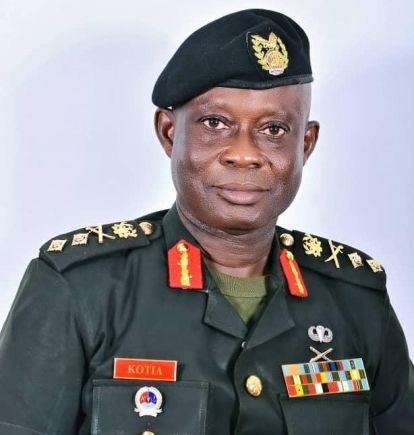
The author, Emmanuel Wekem Kotia, PhD, is a retired Major General of the Ghana Armed Forces with over four decades of distinguished service in military leadership, international peace operations, security governance, and academia.
