

Kerosene is a widely used household fuel. It is a petroleum distillate and one of the most dangerous hydrocarbons. Besides their utility in cooking, especially among the poor, kerosene lamps (lanterns) are the primary source of lighting in our towns and villages.
The danger of kerosene in the household lies not in its inflammable property (which can easily be ignited and cause severe burns) but in its accidental ingestion by children. Other toxic effects of kerosene are attributable to its physical properties, including high volatility, low viscosity and low surface tension.
Highly volatile compounds with low viscosity and low surface tension are more likely to be inhaled or aspirated into the respiratory system. Kerosene is poorly absorbed after ingestion (drinking), but absorption is rapid after inhalation or aspiration into the lungs.
Though absorption may be minimal, it depends on the quantity ingested. Therefore, when a large quantity is ingested, more kerosene tends to get absorbed into the general circulation.
Children often drink kerosene because it is often stored in containers intended for water or other sweet drinks. Containers for bottled water have become the primary means of kerosene storage in most households.
Also important is the fact that we (adults) now have this bad practice of drinking directly from bottles in front of children, a practice they have also expertly copied.
Also contributing to this is the notion that kerosene is less dangerous than other fuels, such as petrol, and that, unlike the meticulous efforts to hide petrol, kerosene is often left either in the open or stored in places easily accessible to children.
It is worth noting that although we are specifically discussing kerosene ingestion, the underlying principle is the same as that for accidental poisoning by other commodities, such as pesticides, acids, corrosives, and turpentine.
Another important point to remember is that, because of the unpalatable taste of kerosene and similar substances, most children who mistakenly ingest them drink only a small amount, spitting it out in most cases as soon as they realise that the taste is different.
Unless we are dealing with a mentally challenged child, who may drink a lot because of difficulty in appreciating the difference in taste, the average normal child usually does not drink at all.
Our attention is usually drawn to the possibility of kerosene or similar substance ingestion in children because of the odour emanating from the child, either from spillage during drinking or from soiling the dress in an attempt to spit it out.
As has been outlined already. Kerosene is poorly absorbed after ingestion, and since children tend to drink next to negligible quantities, the danger to the child is virtually nonexistent.
However, there is a widespread practice of administering palm oil to a child who has accidentally ingested kerosene. (Palm oil is also given after ingestion of pesticides, turpentine, acids, etc.).
I don’t know how this practice started, but it’s so deeply entrenched that almost every child with accidental poisoning is forced to drink cups of palm oil irrespective of the social class, the region, tribe or religion.
The rationale for using palm oil is to force the child to vomit out whatever has been ingested. However, this practice is highly dangerous for the child.
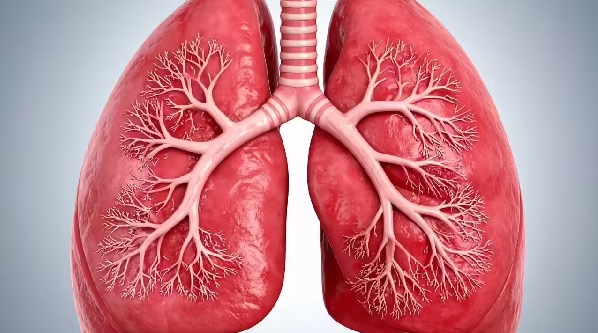
Kerosene is a very volatile fluid largely influenced by its low viscosity and low surface tension, and so in the attempt to vomit it out, it easily vaporises and then is inhaled to cause a lot of injury to the lungs.
The lipophilic (fat-soluble) nature of kerosene allows it to penetrate deep into the tracheobronchial tree (windpipe), producing inflammation and bronchospasm (narrowing of the airways).
The volatility of these chemicals interferes with oxygen exchange. Direct contact with alveolar membranes can lead to bleeding into the lungs, fluid oozing into the lungs (oedema), inactivation of surfactant- an important chemical needed for keeping the lungs open and cellular (leukocyte) infiltration and blockage of vessels (vascular thrombosis).
All these are responsible for the respiratory signs and symptoms observed in these patients. Also, once it reaches the lungs, absorption into the bloodstream is rapid, with effects on the brain depending on the amount absorbed.
In addition to the highly volatile nature of kerosene, the palm oil used to induce vomiting has an even lower surface tension and viscosity. Because the child is forced to drink a large volume, the palm oil is also aspirated into the lungs, causing a condition known as chemical aspiration pneumonitis. This accounts for most of the hospital admissions.
The danger here is that once a lot of kerosene and palm oil get into the lungs, the child may need a ventilator, which is rarely available and does not come cheap if available.
All these can be prevented if we learn to store substances properly, out of reach of most children, or if the child can be easily transported to the hospital rather than resorting to giving palm oil and other concoctions to those who accidentally ingest kerosene.
Once again, I reiterate that most of the deaths associated with kerosene ingestion are not from the effects of kerosene but from the palm oil used to get the kerosene out.
If a child drinks kerosene or any other fluid, the best thing to do is to send the child to the nearest clinic or hospital for the child to be observed.
Palm oil should never be used to induce emesis (vomiting), irrespective of what the child drinks.
Let us all contribute to keeping the lungs of our children free, irrespective of what substance they accidentally ingest. Palm oil and other concoctions should never be given to them to force them to vomit.
The writer is a member of the Paediatric Society of Ghana and the Director of Medical Affairs, Korle Bu Teaching Hospital.
