

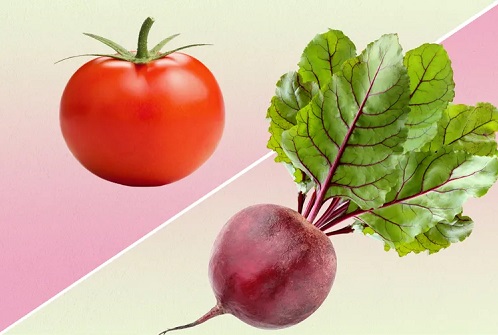
Tomatoes versus Beets: Which has more anti-inflammatory benefits?
If you’re one of the roughly 129 million Americans with a chronic illness like heart disease, cancer, diabetes or hypertension, eating anti-inflammatory foods may be beneficial in your diet.
These health issues are strongly linked with inflammation, and antioxidant-rich foods like fruits and veggies can help combat inflammation to support your health.
Many foods have anti-inflammatory properties, but do they differ in how much they actually affect inflammation? They sure do!
Tomatoes and beets both help lower inflammation through their antioxidants—powerful substances that help prevent cell damage.
That said, the ways they affect inflammation aren’t quite the same. We spoke with dietitians and combed through the latest research to explain how tomatoes and beets affect inflammation, and which has more anti-inflammatory benefits.
How Tomatoes Affect Inflammation
Whether you enjoy eating whole tomatoes, tomato paste or tomato sauce, you’re getting a healthy dose of antioxidants.
“Tomatoes get their bright red color from lycopene, an antioxidant that inhibits bodily inflammation,” says Sheri Gaw, RDN, CDCES. According to a recent study, lycopene helps down-regulate proteins that promote inflammation.
That same study found that—thanks in part to its anti-inflammatory benefits—lycopene can help prevent cancer, heart disease and other inflammatory diseases.
Another study found that tomato intake significantly lowered levels of one inflammatory marker, TNF-alpha, but had no meaningful effect on two others.
So, tomatoes can certainly help reduce inflammation, but there’s more to be learned about how much.
How Beets Affect Inflammation
Nothing beats beets, right? Turns out, that saying is pretty appropriate when you’re talking about inflammation.
“This tasty root vegetable is full of the anti-inflammatory agents called betalains, the pigment that gives beets their deep, rich and beautiful color,” says Jamie Baham, M.S., RDN, LD. These are potent antioxidants that stave off inflammation, according to a plethora of research.
Beets are also rich in dietary nitrates, which increase blood nitric oxide levels and can help to reduce inflammation, lower blood pressure and improve vascular function, says Gaw.
More and more research is actually exploring how beets may help improve athletes’ performance through their anti-inflammatory effects.
“According to a recent study, two weeks of beetroot supplementation helped to reduce exercise-induced inflammation in athletes,” says Gaw.
Tomatoes vs Beets: Which Is Better for Inflammation?
As antioxidant-rich foods, tomatoes and beets are both worth eating in an anti-inflammatory diet.
“Beets and tomatoes provide different antioxidants and benefits,” says Gaw.
Beets fight inflammation through betalains and nitrates—antioxidants that lower inflammation and support heart health.
If you have high blood pressure, beets are probably your best bet. Their nitrates are especially helpful at dilating blood vessels to bring down your blood pressure.
That said, tomatoes are rich in lycopene, a different—yet still powerful—antioxidant for lowering inflammation.
“A diet with variety is best for optimal nutrition,” says Gaw. Baham agrees, saying, “Both tomatoes and beets are excellent additions to a healthy diet.”
So don’t get tunnel vision on either one of these foods. Add both beets and tomatoes to your diet for a variety of inflammation-fighting nutrients.
Other Tips for Reducing Inflammation
If you’re looking for other ways to make your diet more anti-inflammatory, try these dietitian-approved tips:
Limit added sugar
Foods containing excess refined sugar typically increase inflammation,” says Baham.
In the U.S., most of our added sugar intake comes from sugar-sweetened beverages, desserts and sweet snacks.
So, eat these foods in moderation and lean more heavily on natural sugars when you’re craving something sweet.
Beets, for example, have natural sugars, making them an excellent way to enjoy a little sweetness without added sugars.
Eat balanced meals
To help reduce your added sugar intake, Baham suggests focusing on eating regular, balanced meals. “When a meal is missed, it’s hard to be mindful of refined sugar portion sizes,” she says.
Aim to include a combo of whole grains, lean protein, healthy fat, fruits and veggies.
Each of these food groups provides different nutrients to keep your body healthy and inflammation in check.
Add flavor with herbs and spices. Herbs and spices aren’t just for adding flavor—they also add anti-inflammatory compounds to your food.
More flavor from herbs and spices may also mean you need less salt. Excess sodium intake is linked with greater levels of inflammation, so replacing salt with herbs and spices is a double win.
Embrace plant proteins
Eating too much red and processed meat, in particular, is linked with higher levels of inflammation.
On the other hand, plant proteins like legumes, nuts, seeds and soy products are central to anti-inflammatory diets.
They’re full of antioxidants and other plant compounds shown to lower levels of inflammatory markers in the body.
Eat plenty of fruits and vegetables
Eating your fruits and veggies is some of the oldest nutrition advice in the book for a reason.
These foods are packed with antioxidants and other plant compounds that help stave off inflammation.
For the most benefits, aim for bright-colored fruits and vegetables that span the whole rainbow.
