
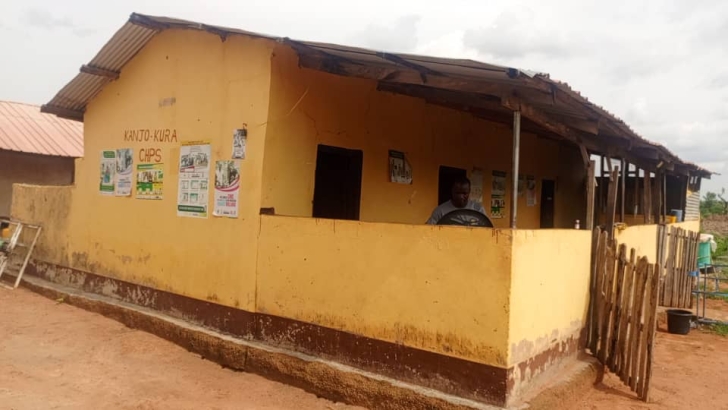
Left to rot: Kanjo-Kura CHPS compound in deplorable state
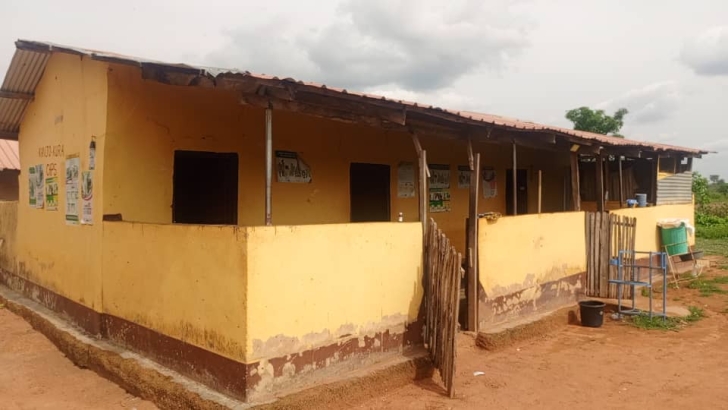
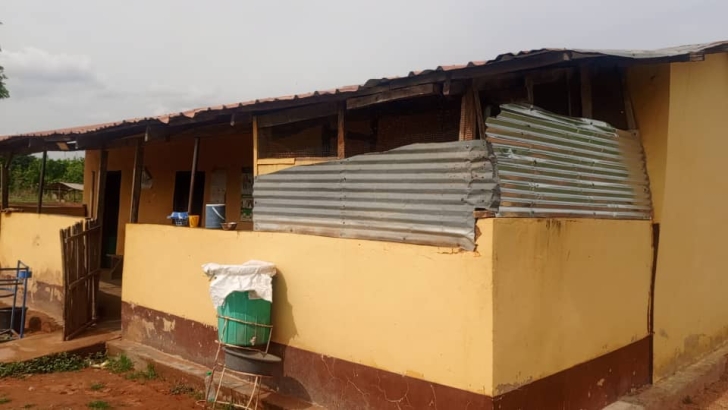
Imagine working in a mud-constructed Community Health Planning Services (CHPS) compound—with no electricity, no ceiling, no fan, and crumbling infrastructure.
Picture enduring extreme heat, swarms of mosquitoes, and bat infestations—all while struggling to deliver basic healthcare in one of the Northern Region’s most underserved communities. How long could you endure such conditions?
This is the daily reality at Kanjo-Kura, a remote settlement in the Egambo Electoral Area of Nanumba South District. Built in 2020 through communal labour, the three-room mud CHPS compound operates without electricity, running water, or mobile network coverage. The facility has just one delivery bed and two dilapidated patient beds—now so frail they risk collapsing.
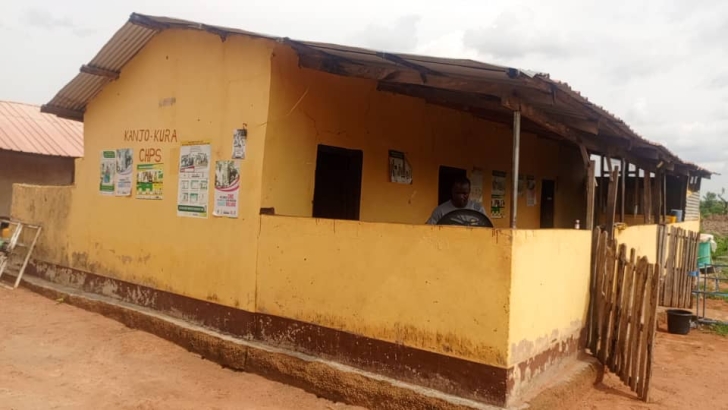
Yet this crumbling outpost remains the sole healthcare provider for Kanjo-Kura and neighbouring villages, handling an average of 17 births and over 70 patients monthly. Most treatments and deliveries are conducted by candlelight, mobile phone glow, or the flicker of torches—a far cry from the Sustainable Development Goal 3 (SDG 3) pledge of universal quality healthcare.
A perilous environment for patients and staff
“Deliveries are the most dangerous part of our work,” admits Kwayajah Moses, the midwife in charge. “Using torchlights risks mothers’ and babies’ lives—and our own safety.”
The lack of electricity renders critical equipment useless. Temperature-sensitive medicines are stored in a solar-powered village 8 kilometres away, causing potentially fatal delays. Overcrowding forces staff to treat pregnant women, feverish children, and wound-care patients in a single room.
“It’s neither hygienic nor dignified,” Moses says. “But we improvise.”
Sanitation is dire. Staff fetch water from nearby homes or contaminated streams, sometimes halting deliveries to search for water. “Humiliating for everyone,” Moses adds.
Communication is equally perilous. To make emergency calls, health workers must climb a hill or stand under a specific tree, abandoning patients mid-crisis.
Community resilience meets systemic neglect
Egambo Electoral Assemblyman Bilasime Nakiwu Wisdom told Graphic Online the facility—built entirely through community effort—exposes government indifference.
“Not a single block or cedi came from the District Assembly,” he said. “Now, we’ve had deliveries in bathrooms due to overcrowding. This isn’t just poor service—it’s a rights violation.”
Repeated petitions to Nanumba South District Assembly have gone unanswered.
Isolation compounds the crisis
Kanjo-Kura’s woes are worsened by terrible roads. Wisdom is demanding urgent upgrades to a 20-kilometre feeder road linking Damanko (Oti Region) through Egambo-Kanjo-Kura to Zabzugu (Northern Region), which would improve healthcare access, trade, and cross-border security with Togo.
“Development always stops before reaching us,” he lamented.
A call to action
Kanjo-Kura Chief Ubor Wajah Kofi insists community initiative should trigger government support, not abandonment:
“We built this. Now we need power, water, medicines, staff, and connectivity—basic rights, not favours.”
He also implored the Wulensi District Assembly to revive an abandoned rural telephony project to link Kanjo-Kura to emergency services.
SDG 3 promises healthcare for all. For Kanjo-Kura, it remains an empty slogan. With lives at stake, bridging this gap is not just urgent—it’s a moral imperative.
