
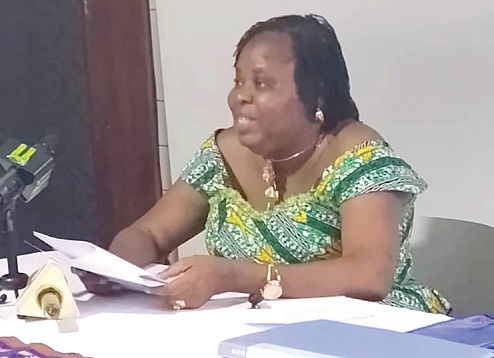
The Chairperson of the International Diabetes Federation (IDF), Africa region, Mrs Elizabeth Esi Denyoh, has called for a comprehensive, national and people-centred approach to tackle the rising cases of diabetes in the country.
She said many Ghanaians were unaware of their condition until complications such as blindness, amputation, or kidney failure occurred.
Mrs Denyoh, who was speaking at a ceremony to mark this year’s World Diabetes Day in Accra, described diabetes as a “Silent but ferocious epidemic” that continued to devastate families and communities, as well as the country’s economy.
The ceremony was on the theme: “Diabetes and well-being”.
Throwing more light on the theme, Mrs Denyoh, who is also the President of the National Diabetes Association of Ghana (NDAG), said “Diabetes and wellbeing” represented more than medical management.
That, she said, called for a holistic view of health care to include physical, mental, nutritional, social, and economic well-being, and stressed the need for universal access to affordable medicines, stable insulin supply, regular screening, and preventive education at all levels.
Mrs Denyoh also called for mental health support and the creation of peer networks to help patients manage the emotional burden of the condition.
She called for a return to healthy Ghanaian dietary traditions, urging the country to endeavour to address the increasing consumption of ultra-processed foods.
On workplace and economic issues, the IDF chairperson charged corporate Ghana to implement policies that protected and supported employees living with diabetes.
Wellness programmes
She also appealed for the integration of wellness programmes into the operations of corporate institutions.
“Behind every statistic is a real person — a parent, a worker, a student — whose life has been upended by diabetes,” she stated.
While urging the government to declare diabetes a national health priority, Mrs Denyoh equally called for a fund under the National Diabetes Policy.
She further called for the expansion of the National Health Insurance Scheme (NHIS) to cover all aspects of diabetes care and appealed to the media to use their platforms to sustain awareness, as well as education and help to end stigma and promote early detection.
