
Renewed focus on TVET key to reducing youth unemployment — Veteran politician
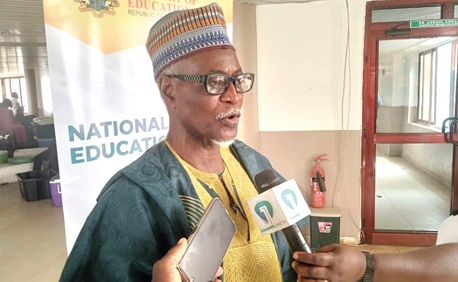
A veteran politician and educationist, Mohammed Haroon, has stated that a renewed commitment to TVET would help develop the skills of the youth to enable them start their own ventures, thereby reducing the unemployment rate in the country.
He said, “Even though the previous government was working seriously on TVET, he had seen the current government move the notch higher with greater emphasis on TVET education”.
In an exclusive interview with the Daily Graphic in Tamale last Monday, the former Member of Parliament for the then Chogu-Tishigu Constituency in the Northern Region explained that the provision of infrastructure, modern equipment and the training of teachers for TVET institutions would encourage more students to pursue vocational education.
Job demand
Alhaji Haroon pointed out that the quest for white-collar jobs in the country remained excessively high, a situation which was fuelling unemployment, particularly among the youth.
“The government cannot employ all graduates. Considering the number of graduates our universities are producing, equipping TVET institutions will help reduce the demand for government jobs,” he stated.
He explained that the acquisition of hands-on skills would empower individuals to establish and manage their own businesses, which could also create employment opportunities for others.
Alhaji Haroon observed that although many people possessed the potential to create jobs, they lacked the technical knowledge to translate their ideas into viable ventures. To this end, there was a need for the youth to be trained and supported with start-up capital to help address the challenge.
Project continuation
Touching on governance, Alhaji Haroon commended the NDC-led administration for its decision to continue stalled projects initiated by the previous administration, particularly Agenda 111, saying the move would prevent the wasting of public resources.
He noted that the abandonment of projects by successive governments had adversely affected national development and led to financial losses.
Weaknesses
However, Alhaji Haroon, who is also the former Northern Regional Director of the Ghana Education Service, criticised the government over how it was handling outstanding payments to contractors and suppliers, describing it as a potential threat to the administration’s popularity.
He said some food suppliers and contractors who had executed projects were still owed by the government and that such development was affecting their operations.
“I am against the attitude of not quickly settling all debts owed to contractors and suppliers.
It will make the Mahama administration unpopular, and I do not want that because I am a member,” he said.
He therefore appealed to the government, particularly the Ministry of Finance, to settle all outstanding payments to enable contractors and suppliers to enhance their operations.
