
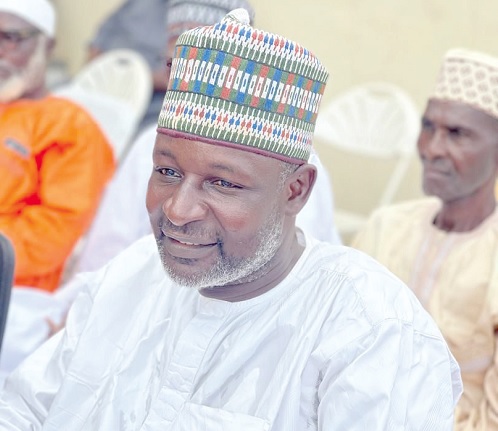
Stop commercialising act of worship - Sheikh Ridwan cautions Hajj Board over $200 pilgrim sacrifice fee
The Ghana Hajj Board has come under attack from a leading Islamic scholar and peace advocate for making the payment of $200 for sacrifice a compulsory condition for the issuance of Hajj visas to all intending pilgrims for the 2026 pilgrimage.
Sheikh Mohammed Ridwan has labelled the directive as unlawful, coercive and fundamentally at odds with the teachings of the Holy Qur’an in a press release issued yesterday.
Sheikh Ridwan, who serves as the CEO of Alpha Radio in Kumasi and Chairman of the Ashanti Region Muslim Peace and Reconciliation Committee, expressed concern that the additional financial demand, on top of the already paid GH¢60,000 participation fee, introduced an unnecessary hardship into an act of worship.
Citing Surah Al-Baqarah (2:196) from the Qur’an, he explained that the sacrifice, or Hadaya, is obligatory only for those who can afford it, while those unable to do so are permitted to fast as an alternative and, therefore, making the payment compulsory for every pilgrim regardless of financial circumstance directly contradicts Islamic jurisprudence.
The scholar further accused the board of misinterpreting religious obligations and engaging in coercion by threatening to withhold visas from pilgrims who fail to pay the fee, which he said created the impression of commercialisation and risked amounting to exploitation of the faithful.
No authority
He challenged that if the board claimed the requirement originated from Saudi authorities, it must provide documented evidence without delay.
He called on the board to immediately withdraw or suspend the directive, ensure that sacrifice arrangements become optional rather than compulsory and guarantee that no pilgrim is denied a visa solely because of an inability to pay the $200.
He also urged the board to always engage Islamic scholars before making policy decisions, educate the public properly on Hajj rituals, ensure full transparency in Hajj administration and respect legitimate scholarly differences on religious matters.
The scholar extended an open invitation to any Islamic scholar who disagreed with his position to engage in respectful dialogue and cautioned that conditioning access to Hajj on such mandatory payments risked being unjust and potentially fraudulent.
Sheikh Ridwan insisted that the sanctity of Hajj must be preserved and that any policy contradicting Islamic teachings or exploiting pilgrims must be avoided.
