
Ghana to launch first Marine Protected Area at Cape Three Points
Ghana is set to mark a major milestone in environmental conservation with the inauguration of its first Marine Protected Area (MPA) at the Greater Cape Three Points area in the Western Region.
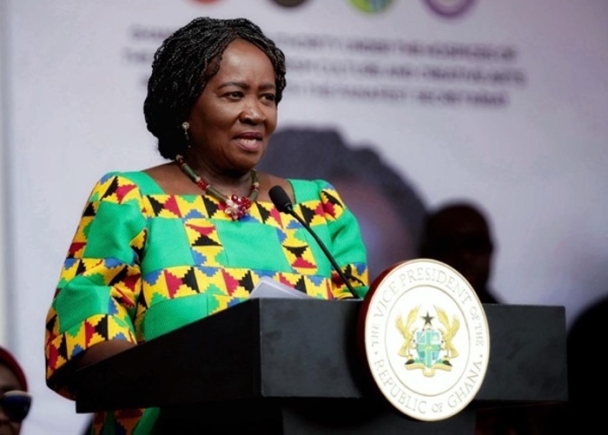
The Vice-President, Naana Jane Opoku-Agyemang, is expected to officially inaugurate the protected zone on Tuesday, April 14, 2026, following years of scientific research, stakeholder consultations and legal groundwork.
A milestone for marine conservation
The establishment of the MPA represents a significant step in Ghana’s efforts to safeguard biodiversity and promote sustainable use of marine resources.
While acknowledging that more work remains to protect the environment from degradation, stakeholders say the initiative is a critical intervention aimed at preserving the country’s fragile marine ecosystem, which continues to face mounting pressure from human activity and climate-related challenges.
What is a Marine Protected Area?
A Marine Protected Area is a clearly defined section of the ocean or coastline where human activities are regulated or restricted to conserve biodiversity, protect habitats and ensure long-term ecosystem sustainability.
Often described as the ocean’s equivalent of national parks, MPAs may include coral reefs, mangroves, seagrass meadows and open waters. Some zones are designated as fully protected “no-take” areas, where activities such as fishing, mining and drilling are prohibited, while others allow limited use under strict regulations.
Globally, MPAs have been used to restore declining fish stocks, protect coastal ecosystems and support livelihoods through sustainable fishing practices. Research indicates that such areas can enhance carbon sequestration, improve coastal resilience and boost fish reproduction, ultimately benefiting fishing communities.
Ghana’s commitment to global biodiversity goals
Ghana’s move aligns with the global “30×30” conservation target under the United Nations Convention on Biological Diversity, which seeks to protect 30 per cent of the world’s land and sea by 2030.
The initiative forms part of broader efforts to combat biodiversity loss, climate change and ecosystem degradation, while ensuring that natural resources remain viable for future generations.
Addressing declining fish stocks
In Ghana, the introduction of MPAs has become increasingly necessary as small pelagic species such as sardines, anchovies and mackerel continue to decline due to overfishing, overcapacity and illegal, unreported and unregulated fishing practices.
The Greater Cape Three Points area, identified as a biodiversity hotspot, is home to critical spawning and nursery grounds, marine mammals and endangered sea turtles. Protecting these habitats is expected to allow depleted fish stocks to recover and create a “spillover effect” that benefits fisheries beyond the protected zone.
Legal and policy framework
The establishment of the MPA is backed by the Fisheries and Aquaculture Act, 2025 (Act 1146), which provides for the creation of marine fisheries reserves based on scientific assessment and stakeholder consultation.
Under Section 39 of the Act, activities such as fishing, dredging or extraction of natural resources within designated reserves are prohibited without written permission from the Minister.
Balancing conservation and livelihoods
The proposed MPA, covering approximately 700 square kilometres and stretching from Ampatano to Domunli, is expected to affect several coastal communities, including Akwidaa, Busua, Dixcove and Cape Three Points.
Stakeholders have emphasised the need for social support measures to cushion the impact on artisanal fishers and fish processors who may face temporary access restrictions.
Such measures are expected to include alternative livelihood programmes, microcredit schemes and skills training to ensure that conservation efforts do not undermine local economies.
Stakeholder support and outlook
The Chairman of the Technical Advisory Committee, Evans Arizi, described the initiative as a significant first step towards achieving Ghana’s conservation targets, noting that lessons from its implementation would inform the development of additional MPAs.
The Executive Director of Hen Mpoano, Kofi Agbogah, also described the project as a step in the right direction, urging broad stakeholder participation to ensure its success.
Experts say the long-term success of Ghana’s first MPA will depend on effective enforcement, community involvement and sustained collaboration among government agencies, conservation groups and coastal communities.
