
Prof. Steiner-Asiedu warns poor feeding practices are driving iron deficiency anaemia in children
A nutrition expert at the University of Ghana, Matilda Steiner-Asiedu, has raised concerns over the high prevalence of iron deficiency anaemia among children in Ghana, particularly those under five years old.
Speaking in an interview on iron deficiency in children, Prof. Steiner-Asiedu explained that iron deficiency occurs when the body’s iron stores become depleted, while iron deficiency anaemia develops when low iron levels prevent the body from producing enough healthy red blood cells.
According to her, anaemia prevalence among Ghanaian children remains between 50 and 78 percent, while iron deficiency prevalence was estimated at 21.5 percent in 2017, above the national target of 15 percent.
She identified poor maternal nutrition, inadequate complementary feeding, malaria, intestinal worms, and poor hygiene practices as major causes of iron deficiency among children.
Prof. Steiner-Asiedu stressed that mothers who are iron deficient during pregnancy are more likely to give birth to children with iron deficiency.
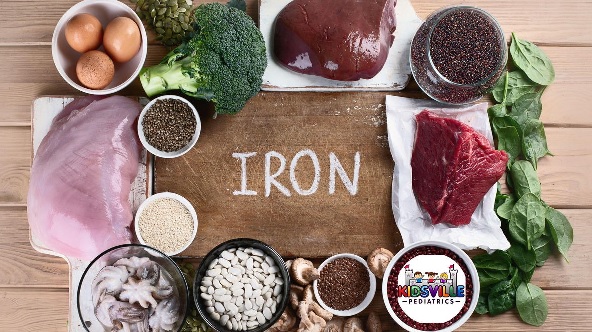
The nutrition expert urged mothers to provide nutrient-rich complementary foods after six months of breastfeeding, including green leafy vegetables, beans, fish, meat, eggs, anchovies, fruits, and legumes to support healthy blood formation and child development.
She also emphasized the importance of vitamin C-rich fruits such as oranges and mangoes in improving iron absorption from plant-based foods.
At the same time, she cautioned against relying on nutritionally poor foods alone, noting that children need balanced diets containing proteins, vitamins, and other nutrients to prevent malnutrition and anaemia.
"It is the behavioural practices when it comes to feeding the young child. Yes, that is what affects our children. So some of these things, we need to look at it, feed the child, even whatever you are eating, not giving the child protein is a big challenge. You cannot form the blood. And if iron is there, but you are lacking protein, you will not be able to form the blood. So it is important that we have complete diet for the child," she said.
Prof. Steiner-Asiedu further encouraged parents to protect children from malaria and intestinal infections through mosquito control, proper sanitation, handwashing, and regular medical checkups.
"Malaria and other intestinal worms all affect, I've said it already, and this has to do because they also use iron for their own metabolic activities. So if they have worms, infestations and so forth, they can also, it is important that the mother also takes the child to the clinic from time to time so that they can also check the stool of the child if there are any worms and that can be treated."
She advised families to prioritize food-based nutritional solutions over supplements where possible, describing healthy and diverse diets as the best long-term approach to preventing iron deficiency in children.
