


The hidden engine of Ghana’s growth — Women and the wealth they could build
WALK through Makola on any weekday morning and you’ll see a kind of quiet genius at work. Women run entire mini economies from behind their tables and containers; women who do not carry fancy titles but carry whole households.
One sells fabric, another sells tomatoes, and another manages a mobile money booth. And while they call it “buying and selling,” what they’re really doing is making the same kinds of decisions CEOs make every day: whether to save, to reinvest, take a risk, borrow, or bet on tomorrow.
What happens in Makola is far beyond commerce. It is economic leadership carried out with intuition, resilience and heart. And that is why investing in women cannot sit in the realm of kindness or goodwill alone. It belongs firmly at the centre of Ghana’s economic ambitions.
Across the country, women shape the direction of the nation through the choices they make in their homes, businesses and careers. You see it in the teacher in Koforidua balancing her salary between school fees and savings.
You see it in the nurse in Tamale putting something aside for her postgraduate studies. You see it in the young entrepreneur in East Legon building her skincare brand one order at a time.
These decisions travel far. They influence how stable a home becomes, how well children are educated and how secure a family feels over time. When women thrive financially, that strength flows into the community and eventually reflects in the nation’s economic health.
Personal finances
But strength is built gradually, on practical foundations. A young professional may simply need help understanding how to save consistently.
A small business owner may need guidance on separating personal finances from business income.
A mid-career woman, pulled in many directions, may need a plan that leaves room for her own aspirations. A woman approaching retirement needs clarity on turning years of work into a steady income.
These are real conversations we have with women every week at Stanbic. And one truth often emerges: women rarely lack capability.
They often lack access to financial knowledge, supportive advice and fair capital. A woman may excel at running her business or managing her household, yet no one has shown her how compound interest works or how early investing, even with small amounts, becomes long-term security.
Layered beneath these stories is a deeper challenge. The feminisation of poverty remains a quiet but persistent force in Ghana.
Many women earn less, save less and retire with less, even while carrying most of the unpaid care work that keeps families functioning.
Many operate in the informal sector without pension benefits or financial protection. When unexpected events hit, they absorb the shock first.
This is not a reflection of their potential but of the structures that shape their lives. And when so many women face these constraints at once, the entire country feels the pressure.
This is why building financial foundations for women is of great essence. A woman with financial confidence brings stability into her home. A growing business creates employment. An investment becomes a buffer against uncertainty.
A well-planned retirement lightens the load on the next generation. One woman’s progress strengthens the fabric of the society around her.
Transformation
At Stanbic, we see this transformation daily. Sitting with a woman, listening, guiding, and helping her map out her future often sparks a meaningful shift. Confusion turns into understanding. Hesitation softens into courage.
The stress of scattered finances settles into a plan she can trust. These moments may seem small, but they open the door to futures that once felt out of reach.
And those futures spread. A mother who saves teaches her children without saying a word. A business that expands brings neighbours into employment.
A woman who invests early provides stability that lasts long after she is gone. Intergenerational change takes root quietly but grows with remarkable strength.
Every year, International Women’s Day invites us to pause, celebrate women, and reflect on the pathways to real progress. This year’s theme, “Give to Gain,” feels especially fitting for Ghana because it reminds us that when women are given access; to information, to capital, to opportunity, the impact reaches far beyond any single life.
The return shows up in stronger households, more resilient communities, thriving businesses, and a nation whose growth is carried by the women who make it possible. The gains multiply in ways we can measure and in many more ways we simply witness over time.
Ghana’s future rises with the future of its women. Every investment in a woman’s financial life is a seed placed in rich soil. It grows into stronger families, more resilient communities and an economy able to stand steady through every season. If we are committed to a thriving Ghana, then ensuring women rise is the clearest way forward.
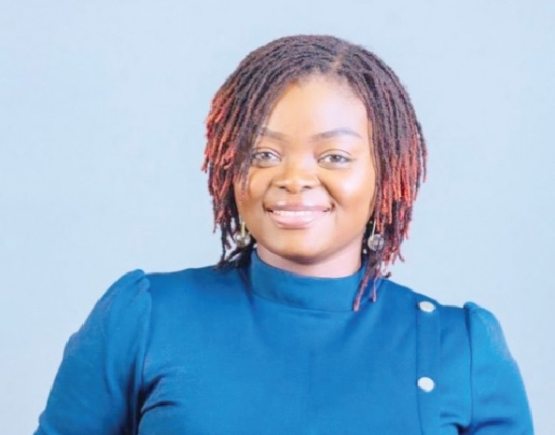
The writer is a Marketing Manager, Stanbic Investment Management Services, Youth Banking and Social Media – Stanbic Bank Ghana