


With just six months to go until the 2026 FIFA World Cup kicks off, new research from EMW-Global is shining a timely spotlight on the sponsorship and partnership opportunities surrounding the tournament.
With the official draw now complete, all 48 participating nations — including Ghana — have full visibility of their opponents and can sharpen their preparations.
For brands, however, the real race is only beginning as they navigate what is set to be the most expansive and commercially complex World Cup in history.
Co-hosted by the United States, Canada, and Mexico from June 11 to July 19, next year, the tournament offers a scale of engagement unmatched in global sport. With 104 matches — more than 60 per cent higher than the Qatar 2022 tourney — the expanded format presents brands with unprecedented visibility and marketing potential.
While official FIFA partners will naturally enjoy premium rights and exclusivity, the research highlights substantial opportunities for non-sponsors to creatively and compliantly activate, tapping into the global excitement without breaching FIFA’s strict IP rules.
EMW-Global Founder and CEO, Michael Rocha-Keys, explains the importance of the research.
“With its massive reach and engagement potential, the FIFA World Cup 2026 is a prime opportunity for brands to make a lasting impact on a gold mine of official and unofficial global and regional sponsorship opportunities hosted in the biggest economy in the world.
Our research provides valuable insights on maximising sponsorship and partnership opportunities, helping brands navigate the complex landscape and maximise their ROI.”
Below is a brief overview of the two-part report:
FIFA’s commercial ecosystem
FIFA’s structured sponsorship model safeguards exclusivity for its partners and ensures financial stability for the tournament and global football initiatives.
The FIFA World Cup 2026 sponsorship tiers include:
• FIFA Partners: Global rights across all FIFA events (e.g., Coca-Cola, Visa, Adidas).
• FIFA World Cup Sponsor Plus: Rights for specific men’s competitions, including the 2026 tournament.
• FIFA World Cup Sponsors: Global rights for the 2026 World Cup only (e.g., McDonald’s, Verizon, Unilever).
• Regional Supporters: Rights restricted to specific countries/regions (e.g., The Home Depot, Valvoline).
These tiers grant category exclusivity, IP usage, and activation rights. Notably, rights for the 2025 Club World Cup were sold separately.
Beyond global sponsorship, brands can tap into opportunities within the host city. The tournament will span 16 cities across three regions:
• Western: Vancouver, Seattle, San Francisco, Los Angeles
• Central: Guadalajara, Mexico City, Monterrey, Houston, Dallas, Kansas City
• Eastern: Atlanta, Miami, Toronto, Boston, Philadelphia, New York/New Jersey
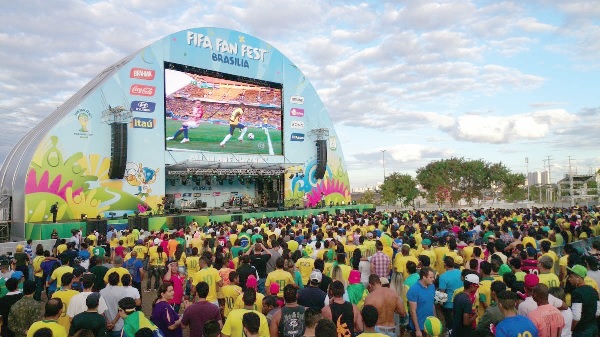
Each city will host official FIFA Fan Festivals, offering branded experiences, live screenings, food, and interactive zones. For non-sponsors, these events present a “proximity zone” for associative marketing near—but not within—official areas.
Tactics include football-themed campaigns, national colour use, or social media engagement that avoids infringing FIFA’s IP.
IP protection & anti-ambush marketing
FIFA takes IP protection seriously to safeguard the value given to its sponsors. Its trademarks— logos, slogans, and mascots—are legally protected, and only official partners can use them. Ambush marketing is a key concern: some brands attempt to imply the necessary rights (“ambush by association”) or grab attention near events without rights (“ambush by intrusion”).
To combat this, FIFA enforces Clean Zones around venues, monitors media for misuse, and works with host nations to implement protective legislation.
For brands, the message is clear: play within the rules. The smart move? If you’re not an official sponsor, find creative, compliant ways to tap into the excitement without pretending to be something you’re not.
Football fandom is booming in North America, but its expression differs significantly from one country to another.
In the US, MLS is experiencing a rise in popularity, with strong interest from Gen Z and Hispanic audiences.
Canada’s enthusiasm is climbing, thanks to World Cup qualification and the Canadian Premier League. Mexico has long been football-obsessed, with Liga MX drawing huge crowds and TV audiences.
Brands must meet fans across multiple channels and formats, blending broadcast presence with digital storytelling. One-size-fits-all messaging won’t work—audiences are diverse, and their media habits are evolving fast.
Strategies for official sponsors
Official FIFA sponsors must go beyond logo placements. The real value lies in activation: creating unique, emotionally engaging experiences that connect with fans.
It’s not just about reach—it’s about relevance. With official rights comes the opportunity to own a powerful moment in culture.
The best campaigns feel less like ads and more like part of the tournament’s story. The goal? Build brand love while enhancing the fan experience.
Tactics for non-sponsors
Brands without official sponsorships can still join the party—but they need to do it smartly and legally.
Creative, fan-first tactics like pop-up activations near fan zones, football-themed digital content, or influencer partnerships can generate big engagement without infringing on FIFA’s IP. Brands should focus on adding value: by telling a story, building community, or celebrating local pride.
Done right, non-sponsors can still ride the World Cup wave with integrity, energy, and impact—without crossing legal lines.
Risk mitigation
Sponsoring a tri-nation event like the FIFA World Cup 2026 brings real challenges.
Operationally, coordinating across the U.S., Canada, and Mexico involves managing border logistics, security differences, and inconsistent visa policies.
Reputational and market risks can also disrupt campaigns. Brands must be proactive while monitoring sentiment and staying agile.
The upside of a global spotlight is huge—but so is the scrutiny. Managing risk is essential to turning exposure into opportunity.
While next year’s World Cup in North America offers a generational marketing opportunity, success for corporate brands will require strategic foresight, deep audience insight, creative bravery tempered by legal diligence, robust measurement, and proactive risk management tailored to the unique complexities of this tri-national mega-event.
Credit: Sportbusiness.com