
CSOs urge AU to act on alleged trafficking of Africans into Russia’s war economy
African civil society organisations have mounted pressure on leaders attending the 39th African Union Summit to confront what they describe as a growing pattern of human trafficking involving African nationals being drawn into Russia’s war economy under deceptive recruitment schemes.
At the centre of the call is the Pan African Youth Union, which says African men are being lured to fight in Ukraine while African women are recruited to manufacture military drones in Russia, often without full disclosure of the risks involved. The group says the practice violates the African Union’s founding values and key continental human rights instruments.
Human rights advocates argue that the recruitment targets vulnerable young Africans facing unemployment, inequality and limited economic opportunities, making them susceptible to false promises of jobs and income.
“This is a modern form of exploitation dressed up as opportunity; monitoring trafficking and conflict recruitment. Young Africans are being targeted because of unemployment, inequality and weak oversight. That should alarm every government represented at this Summit,” a representative of the Pan African Youth Union said.
Civil society groups say the issue cuts across several pillars of Agenda 2063, particularly commitments to inclusive growth, youth development, women’s empowerment and the protection of fundamental human rights. They also point to alleged breaches of the African Charter on Human and Peoples’ Rights, including provisions on human dignity, fair labour conditions and safeguards for women.
According to investigators working with civil society organisations, those recruited are often denied the information needed to make informed decisions. They allege that identity documents are confiscated upon arrival, communication with families is restricted and recruits are exposed to significant physical danger, including missile strikes on military-linked production facilities.
Dr Anna Mensah, a Senior Lecturer at the Kofi Annan International Peacekeeping Training Centre, said government responses so far had been inadequate and largely reactive.
“It is not enough for government officials to make enquiries about the alleged status of Ghanaians fighting in Russia. State intervention must go beyond rescuing victims of such recruitment schemes and focus on preventing other vulnerable youth from falling prey to unsuspecting traffickers,” she noted.
Civil society organisations are urging African Union leaders to treat the issue as a continental priority and to move beyond expressions of concern. They argue that deceptive military and industrial recruitment should be formally addressed at the Summit, with investigations mandated through the African Commission on Human and Peoples’ Rights and stronger cooperation established between governments, labour ministries and international law enforcement bodies.
Advocates have also criticised governments that have remained silent, or have allegedly allowed recruitment schemes to operate unchecked, warning that the consequences would extend far beyond individual victims.
“Silence is complicity and African governments must stop treating this as an external problem. These are their citizens, and the damage will follow them home — physically, psychologically and socially,” one advocate said.
As heads of state deliberate on peace, security and development challenges across the continent, civil society actors say the credibility of the African Union itself is under scrutiny.
“You cannot speak about ‘The Africa We Want’ while Africans are being trafficked into foreign wars. This Summit must be a turning point,” the advocate concluded.
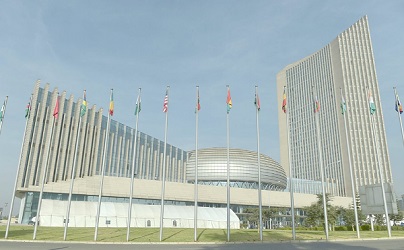
The 39th African Union Summit is being held in Addis Ababa from February 11 to 15, 2026, under the theme, “Assuring Sustainable Water Availability and Safe Sanitation Systems to Achieve the Goals of Agenda 2063,” and has brought together leaders and senior officials from all 55 member states.
