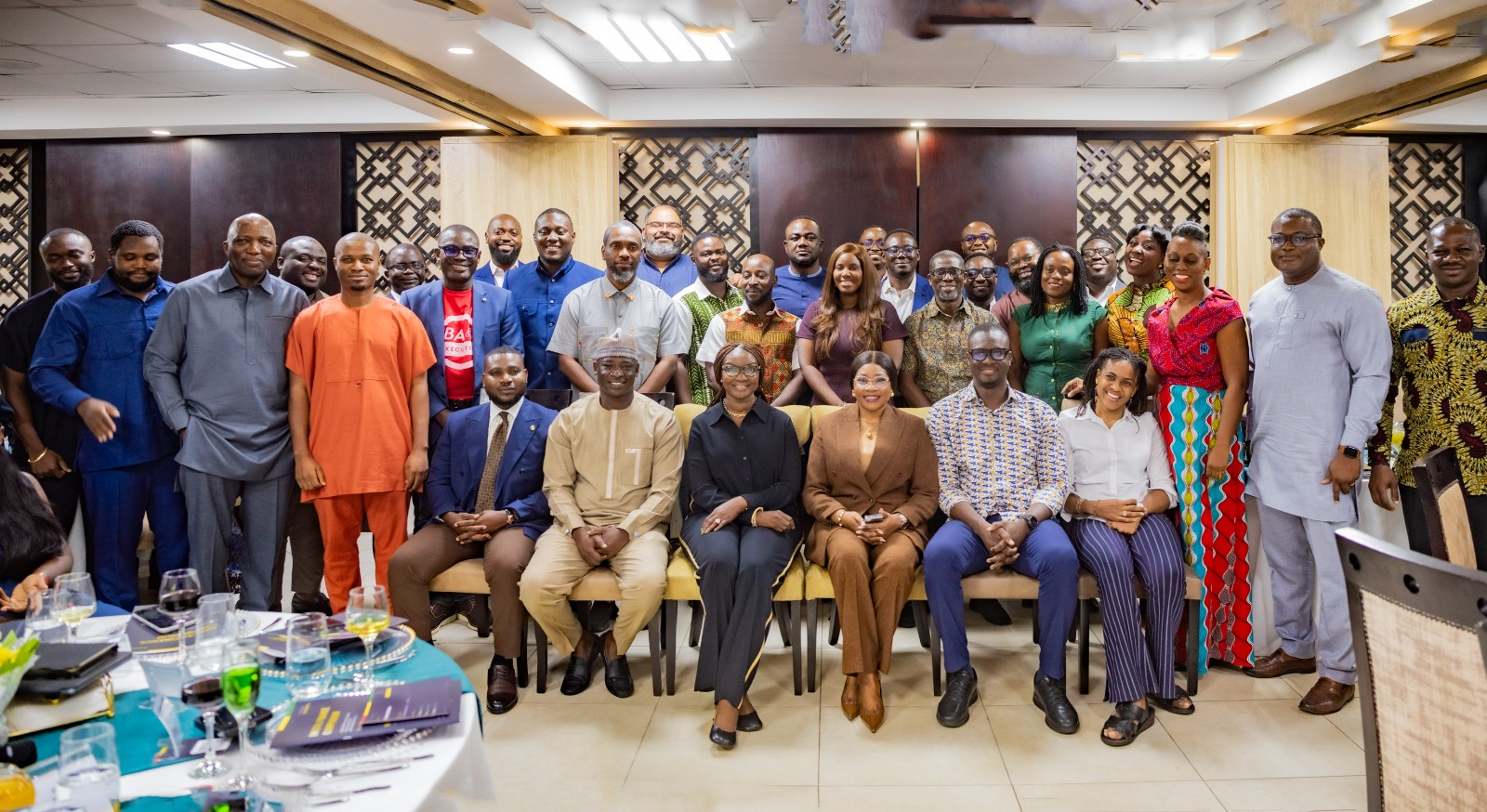
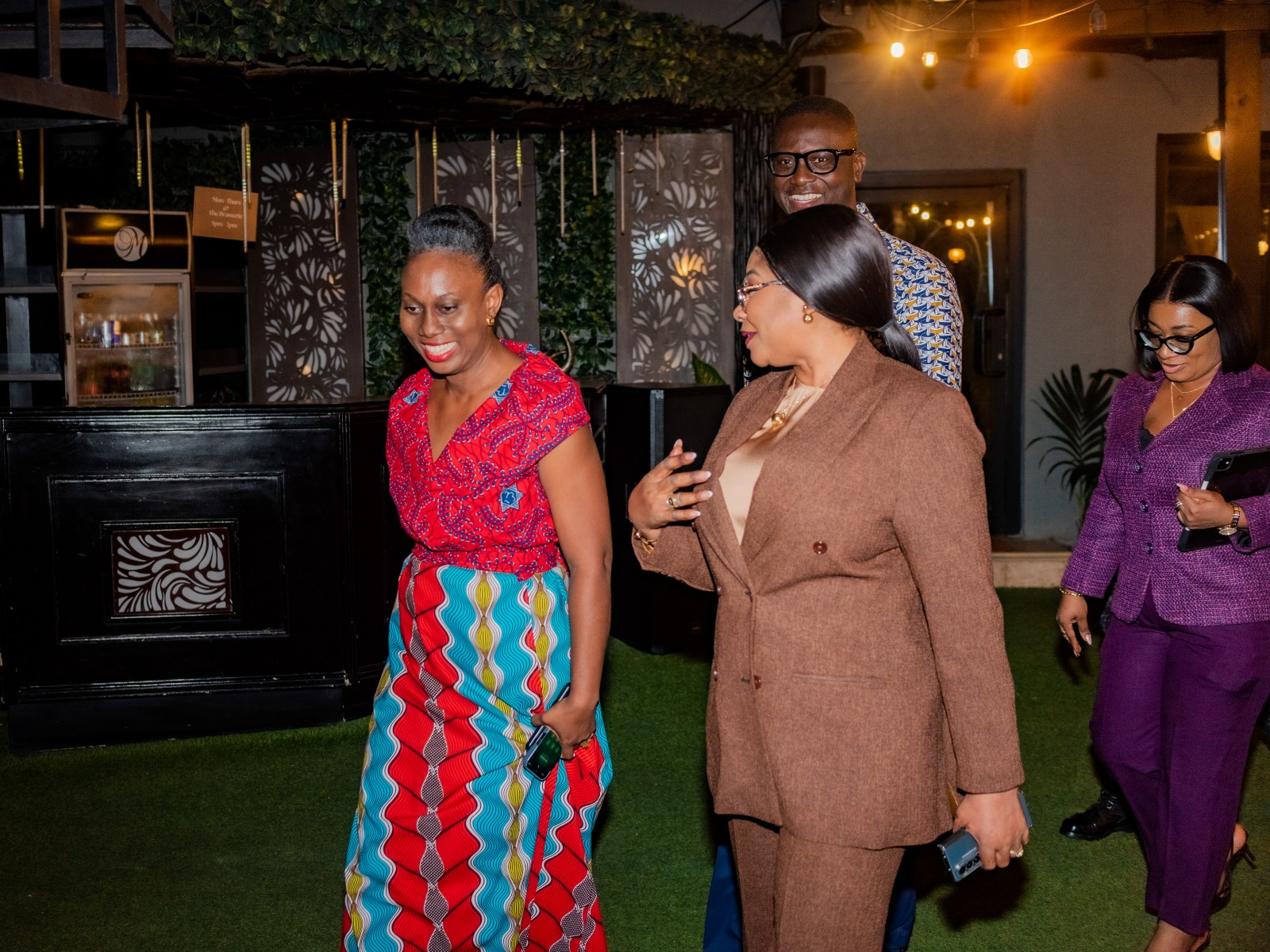
On January 23, 2026, in Accra, the Future of Finance Dialogues (FOF) convened a cross-section of Ghana’s financial services leadership for a private dinner under Chatham House Rule.
The gathering was convened by Ethel Cofie and centered on how Ghana can scale modern financial services through Open Banking partnerships, stronger payments infrastructure, and clearer trust and accountability as the market evolves.
Ethel Cofie is the CEO and Founder of EDEL Technology Consulting and the founder of Women in Tech Africa, a pan African network focused on entrepreneurship and growing women’s participation in technology. Her work has long sat at the intersection of digital transformation, market building, and the practical realities of implementation, the exact mix that a multi stakeholder conversation like FOF requires.
It brought together participants from regulation, consumer rights, and data governance experts into the same conversation as commercial execution.
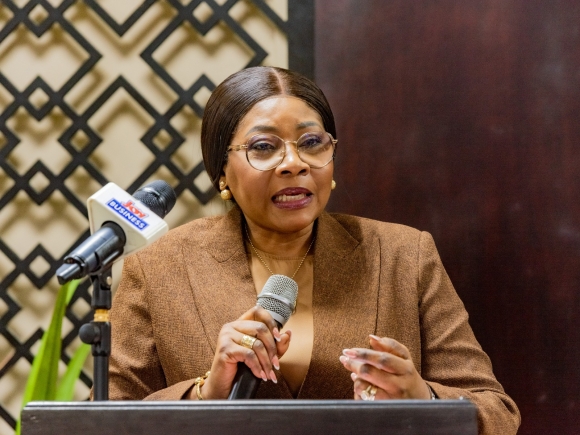
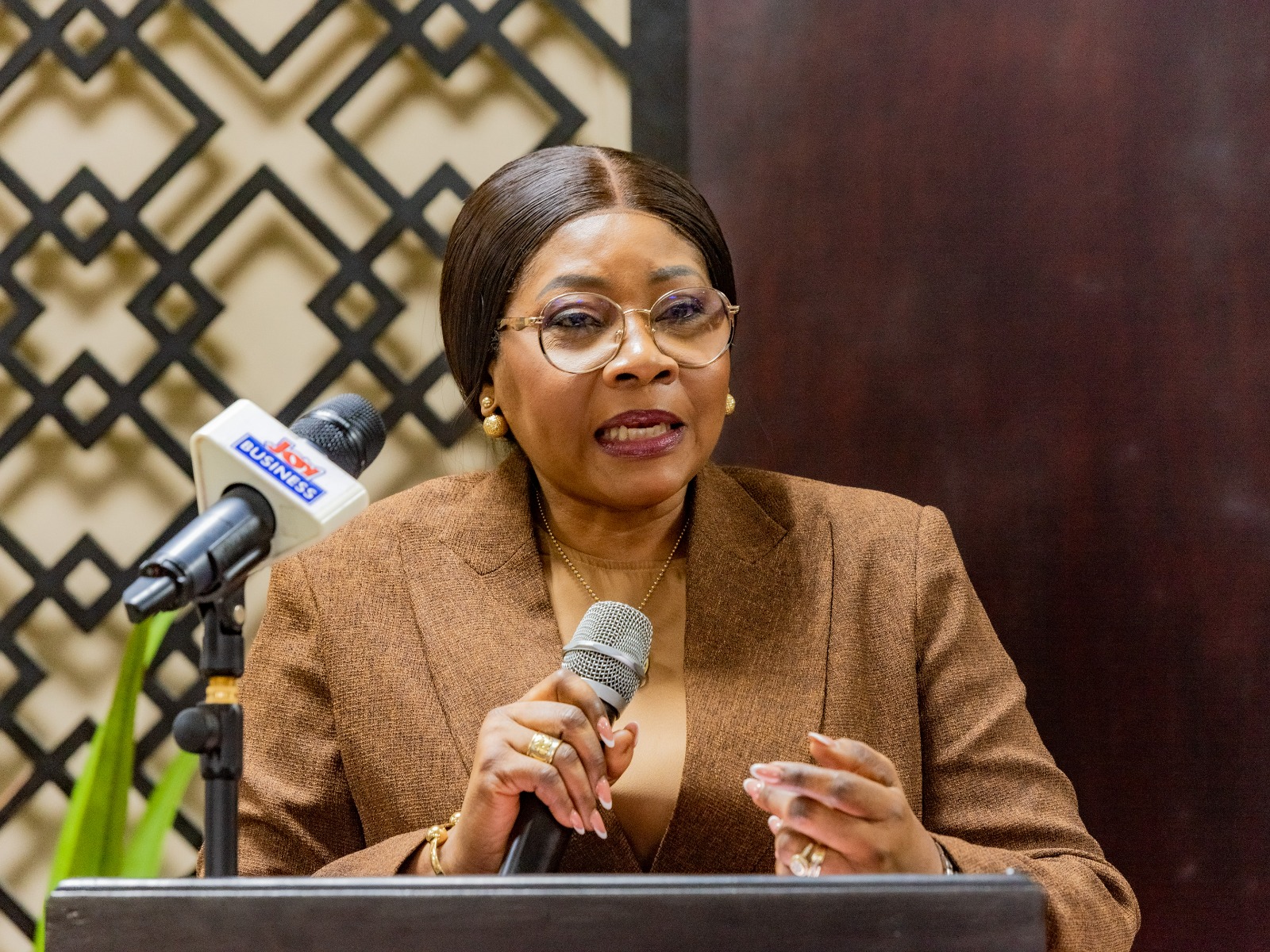
Participants from the public sector included the 2nd Deputy Governor at the Bank of Ghana, Mrs. Matilda Asante Asiedu, Presidential Adviser and Special Aide to President Mahama, Joyce Bawah Mogtari, and the Member of Parliament for Bunkpurugu and Chair of the Parliamentary Select Committee on Information and Communications, Dr. Abed Nego Azumah Bandim.
Other participants were Mensah Thompson of the Securities and Exchange Commission (SEC) and Dr. Arnold Kavaarpuo of the Data Protection Commission.
From the private sector, Julian Opuni from, Fidelity Bank, and Pearl Nkrumah from Access Bank Ghana, who also chairs the Ghana Stock Exchange board, alongside fintech and ecosystem builders were also participants.
FOF landed in a week where Ghana’s policy direction on two sensitive topics became harder to ignore.
First, Open Banking. Put simply, Open Banking is about giving customers more control. It allows a customer to grant permission for their financial data to be shared securely with another regulated provider, typically through standardised digital connections, so new services can be built. It can make it easier to compare products, access credit, and unlock partnerships between banks and fintechs that deliver better customer experiences.
The timing mattered because the Bank of Ghana published a Draft Open Banking Directive on January 22, 2026, framing it as part of efforts to accelerate digital financial services and improve the payments and financial ecosystem.
Second, virtual assets. Whatever one thinks about crypto, the market is no longer theoretical, and Ghana’s official position has shifted toward a regulated pathway. The SEC said Parliament passed the Virtual Asset Service Providers Bill in late December 2025, outlining a legal and regulatory framework and stating that entities conducting virtual asset activities will need licensing or registration based on their activity.
Then, on January 22, 2026, the Bank of Ghana, SEC and the Financial Intelligence Centre published a joint policy position stating that virtual assets cannot remain outside Ghana’s financial regulatory purview, noting the ecosystem has expanded to more than 3 million users.
This was the backdrop for the dinner’s most repeated question:
Most people do not wake up thinking about “APIs” or “rails.” They think about whether their money moved. Whether a transaction failed.
Whether a dispute took weeks. Whether a scammer got through. Whether a small business can access working capital without a painful process.
FOF’s discussions focused on those lived issues, just at the level where decisions get made.
Participants spent time on the gap between policy and customer reality, especially on questions like consent and accountability. If Open Banking allows more data sharing and more partnerships, then the market has to get clear on how consent is requested in plain language, how data is secured, and who owns the responsibility to fix issues when a customer journey crosses multiple organisations.
In a connected ecosystem, “not my platform” stops being a useful answer.
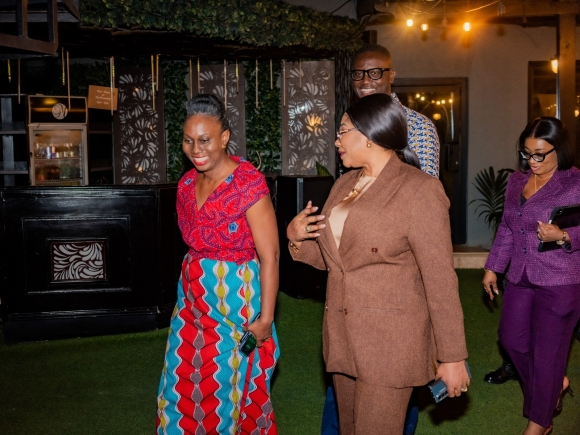
The Deputy Governor’s call, in plain terms was that Open Banking can make incumbents defensive. It can also make them grow.
“Open banking will not succeed only as a regulatory project… It must be a movement, an ecosystem movement.”
Presidential Adviser Joyce Bawah Mogtari on her part spoke about going out to build, to innovate, partner, and execute in ways that create value for citizens and businesses.
The Chairman of the Parliamentary Select Committee on Information and Communications, Dr. Abed Nego Azumah Bandim on his part touch on how Ghanaians save, transact, remit, borrow, and invest.
In other words, the “future” is not waiting. It is here.
He also offered a line that summed up the dinner’s bias toward implementation:
“Legislation is only the skeleton. Regulation, implementation, and industry practice are the flesh and blood…”
His point was not that Parliament is done, but that the hardest work begins after laws, in supervision, standards, and real behaviour in the market.