
6 Pupils defiled in Upper East - Teacher among suspects
At least six schoolchildren were defiled in the Upper East Region between July 2025 and March 2026, with a teacher among the suspects arrested in connection with the cases, raising fresh concerns about the safety of children, particularly within school environments.
Among the cases, two were recorded in the Talensi District, where one suspect has been arrested and another is at large; two in the Bawku Municipality, involving one suspect who is at large, and two in the Bolgatanga Municipality, involving a teacher who has been arrested and granted bail.
During the same period, the region recorded a total of 376 pregnant girls and lactating mothers who sat for the Basic Education Certificate Examination (BECE) and the West African Senior School Certificate Examination (WASSCE).
The figure comprised 84 pregnant girls and 46 lactating mothers who sat for the BECE, and 111 pregnant girls and 135 lactating mothers who sat for the WASSCE.
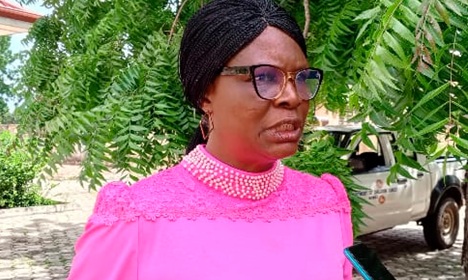
The Upper East Regional Gender Desk Officer, Rita Mbamah, disclosed this in Bolgatanga during a Regional Review Meeting on the Essential Services Package (ESP) for survivors of Sexual and Gender-Based Violence (SGBV), organised by the Department of Gender with support from the United Nations Population Fund (UNFPA).
Defilement cases
Ms Mbamah stressed that the involvement of persons in positions of trust, particularly teachers, made the situation even more worrying and underscored the urgent need for decisive action.
“If teachers, who are supposed to act as parents and protect these children, are rather the ones abusing them, then it means our children are not safe,” she lamented.
Challenges in prosecution
An officer at the Domestic Violence and Victim Support Unit (DOVVSU), Sergeant Safia Salifu, said many defilement and abuse cases in the region are often stalled because complainants abruptly stop cooperating with investigators.
This, she explained, was largely due to pressure from relatives and community members who prefer to settle such cases outside the formal justice system.
An Assistant Alternative Dispute Resolution (ADR) Officer at the Legal Aid Commission, Farihan Mutaru, highlighted that institutional and logistical constraints were major factors affecting operations.
He noted that the lack of a resident lawyer in the region and the persistent interference from families and communities disrupt legal processes and slow down the handling of cases.
Call for collective action
The acting Upper East Regional Director of the Department of Gender, James Twene, underscored the importance of collaboration among stakeholders in addressing sexual and gender-based violence and protecting vulnerable children.
He noted that the quarterly stakeholder meetings had helped improve coordination among institutions and enhance service delivery for survivors.
The UNFPA Focal Person, Yvonne Wonchua, emphasised that addressing sexual and gender-based violence effectively required accurate and timely data.
She noted that weak data systems continue to limit efforts to mobilise resources and attract funding to scale up interventions aimed at protecting victims and preventing abuse.
