
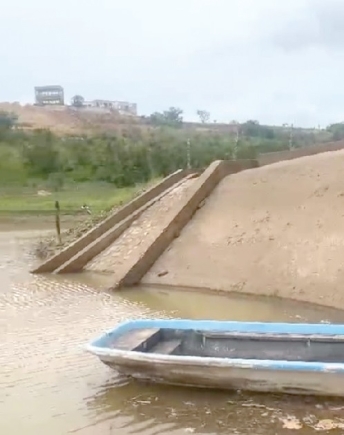
Debris from construction site plunges Ho into water crisis
The Volta Regional capital, Ho, has once again been plunged into a water crisis after debris from a construction site on the hill at Kpeve slid down a slope during heavy rain, filling the water intake of the Kpeve Treatment Plant.
The incident, which happened last Thursday, has forced the Ghana Water Limited (GWL) to shut down the treatment plant due to the extremely high turbidity levels in the raw water source.
As of yesterday, Sunday, May 17, some residents in Ho, also known as the Oxygen City, were trooping to old well sites in search of water.
Meanwhile, the GWL, in a statement issued at the weekend, explained that the current turbidity levels had exceeded the acceptable operational threshold required for safe and effective water treatment, thereby making continued production technically unsafe and operationally impossible.
In October last year, the Managing Director of the GWL, Adam Matawakilu, visited the Kpeve Treatment Plant during a similar crisis and publicly raised concern over the construction of a recreational facility by a private developer, dangerously close to the raw water intake point.
The GWL managing director expressed dissatisfaction with the development during the visit and warned of the severe consequences such activities could have for water production at the plant, particularly during the rainy season.
“Unfortunately, the concerns raised by management are now manifesting and the rains have significantly increased the movement of sediments, silt and other pollutants into the raw water source,” the statement, signed by the Public Relations and Communications Director of GWL, Stanley Martey, added.
Shutdown
That compelled the GWL to shut down operations at the headworks at Kpeve until conditions improved and safe water operational standards were restored, the statement explained.
The statement condemned the construction and related activities near the intake point, saying they posed a major threat to the sustainability, safety and reliability of water production in the area.
It said water treatment plants required protected buffer zones around their intake points to ensure the delivery of safe potable water to consumers.
The company gave an assurance that water production would resume immediately, once turbidity levels were reduced to safe and manageable levels.
Meanwhile, public outcry over the situation is growing.
When contacted at Kpeve, the South Dayi District Chief Executive, Courage Kwami Kokoroko, said there was an urgent need for the private developer and the GWL to engage in finding ways to divert the debris from the plant's intake.
