
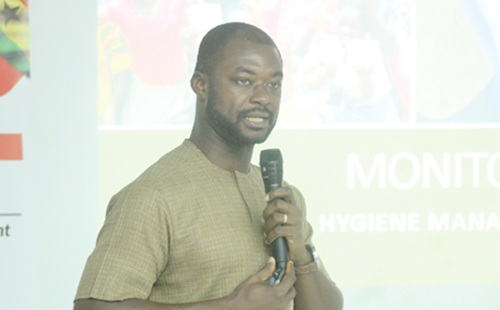
Stakeholders call for collaboration on adolescent, menstrual hygiene
Stakeholders at an inter-ministerial meeting aimed at strengthening collaboration on adolescent health, education and menstrual hygiene management have called for coordinated national action to ensure Ghanaian adolescents grow up healthy, educated and responsible.
They also stressed the importance of broader menstrual hygiene sensitisation and called for SHEP coordinators to be adequately supported to ensure effective implementation of the programme.
They further raised concerns about the need to maintain quality standards for sanitary pads, urging strict adherence to Ghana Standards Authority guidelines.
Meeting
The meeting, organised by the Ministry of Education, in partnership with the United Nations Population Fund (UNFPA), brought together representatives from the Ministry of Education, the Ghana Health Service (GHS), Ghana AIDS Commission (GAC), the World Health Organisation (WHO) and UNFPA to deliberate on the National Menstrual Health Management Programme and broader adolescent wellbeing initiatives.
It was also aimed at enhancing inter-sectoral collaboration on adolescent curriculum implementation, strengthening coordination on school health and safety and advancing gender-responsive interventions.
Menstrual stigma
At the meeting, a documentary titled “Barred by Blood,” and shot in Denkyira Kyekyewere in the Central Region, showed how some girls were unable to attend school during their menstrual period due to the absence of a bridge over a river they had to cross.
The Minister of Education, Haruna Iddrisu, who spoke in a video, reaffirmed the ministry’s commitment to improving adolescent health and education through stronger collaboration with key institutions and development partners.
He said that while addressing menstrual health was critical for girls, boys must also be guided to adopt responsible behaviour and cultivate mutual respect and healthy relationships.
Adolescent health concerns
A Research Officer at the Ministry of Education, Kinglsey Boachie, in a presentation on the government’s Free Pads Initiative, said monitoring conducted in selected schools revealed some lessons, which would guide implementation of the initiative going forward.
The Director of Technical Services of the Ghana AIDS Commission (GAC), Dr Fred Nana Poku, drew attention to the continued impact of HIV among adolescents, stating that many young people remain unaware of their HIV status.
He added that the HIV infection rate remained higher among girls than boys, largely due to biological and socio-economic factors that made young women more vulnerable to infection.
Health integration
The National Coordinator of the Ghana Education Service (GES) SHEP Unit, Theresa Oppong-Mensah, outlined efforts to integrate adolescent health topics into the school curriculum, including puberty education, hygiene, mental health awareness, nutrition and life skills training.
However, she said, GES continued to face challenges, including inadequate infrastructure, outdated materials and limited funding that affected programme delivery.
The Technical Officer responsible for Gender, Equity and rights at the WHO, Dr George Atiim, in a presentation, introduced eight global standards for health-promoting schools, which emphasised policy support, safe learning environments, comprehensive health services and strong partnerships between schools and communities.
National framework for adolescents
The Country representative of UNFPA, Dr Wilfred Ochan, called for a unified national framework to guide adolescent health and development programmes.
He said the proposed framework, aimed at promoting “Healthy, Educated and Responsible Adolescents (HERA)”, would provide age-appropriate guidance for adolescents aged 10 to 24 through coordinated curricular, extracurricular and community-based interventions.
Stakeholders at the meeting further called for increased national investment, improved data collection systems, stronger collaboration among ministries and partners, and greater community involvement to ensure the success of adolescent health interventions.
