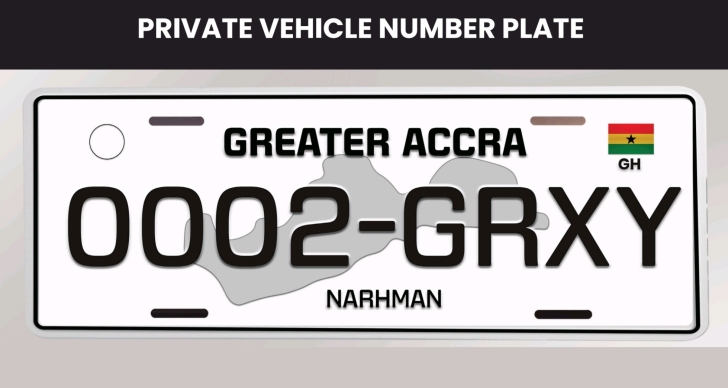
The Vehicle Embossment Association of Ghana (VEMAG) has called on the Driver and Vehicle Licensing Authority (DVLA) to suspend the implementation of the new policy on digital number plates scheduled to take off from January next year.
The association said putting the policy on hold until after the first half of 2026 would allow for enhanced engagement between the two parties to iron out their differences.
Again, VEMAG said the suspension of the policy would afford both the association and the DVLA more time to plan properly for a seamless transition into the new vehicle embossment regime.
At a press briefing held in Accra on Thursday, December 11, the spokesperson of the association, Joojo Bruce-Quansah, stressed that the current steps being taken by the DVLA to sideline its members and hand over the vehicle embossment business to foreign entities would send over 3,000 workers home.
"VEMAG is the organisation that has been at the forefront of vehicle number plate embossment for the motoring public and has remained the DVLA's major stakeholder over the years.
"We have 3,000 workers who have been doing the embossment of number plates over the years.
We are not against the new policy by the DVLA, but we are worried about the approach the authority is adopting to roll out the policy," he said.
Context
The DVLA is rolling out major number plate reforms starting in January 2026.
The new regime seeks to link plates to individual owners for better security, removing registration years, adding regional or zonal codes and requiring owners to remove their plates upon sale.
The move is a shift towards personal identifiers to enhance traceability and crime-fighting.
The new number plates have features such as a digital platform that supports online number reservation; new plates embed Radio Frequency Identification (RFID) chips for easy digital scanning and tracking; Ghana card integration; display of zonal and regional codes on number plates and enhanced security features.
Per DVLA’s timeline, the new vehicle registration would begin with the new system on January 1, 2026, while re-registration of all over 4 million existing vehicles would run from April 1, 2026, to December 1, 2027.
No consultation
However, at the press briefing, Mr Bruce-Quansah said the policy announcement had come as a surprise to VEMAG because the association had not been engaged.
He explained that in 2021, the DVLA, under the previous leadership, had a meeting with VEMAG and assured the association of maximum consultation and cooperation in future reforms to the number plates embossment regime.
He said if the current leadership had kept that promise, the current impasse would be needless.
The VEMAG spokesperson said the association recognised the modernisation taking place within the DVLA as a result of the digitisation drive and would support progressive reforms that would enhance service delivery.
He stressed that VEMAG was willing to enhance its knowledge and that of its employees by cooperating with the DVLA for seminars and capacity-building programmes for embossers.