
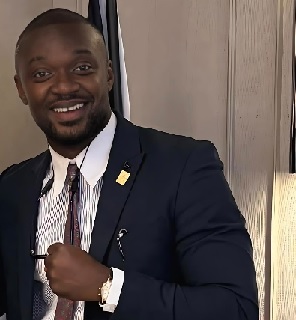
African boxing’s continued efforts to strengthen athlete safety, medical governance and clean sport have gained further momentum with the appointment of Dr Eric Tetteh Ayertey, Lecturer at the University of Health and Allied Sciences (UHAS) School of Sports and Exercise Medicine, to the Medical and Anti-Doping Committee of African Boxing, the continental governing body affiliated with World Boxing.
The appointment makes Dr Ayertey the first Ghanaian ever to serve on the committee, joining four other medical experts from across Africa contributing to the development of medical and anti-doping standards within the sport.
The development comes as boxing across the continent places increasing emphasis on the systems that protect athletes alongside performance inside the ring, including medical screening, emergency preparedness, concussion management, safeguarding and clean sport.
Dr Tetteh Ayertey’s work in Ghana has closely reflected these priorities. As a member of the Ghana Boxing Interim Management Committee Medical and Anti-Doping Subcommittee, he has contributed to strengthening medical governance, pre-competition screening, ringside preparedness, concussion management, athlete safeguarding and anti-doping education.
His research on concussion and head injuries among boxing stakeholders in Bukom, the heart of Ghana’s boxing community, has further informed his commitment to athlete welfare, contributing to broader efforts to strengthen concussion awareness, medical preparedness and evidence-based safety standards in boxing.

His professional experience extends across sports and exercise medicine, combat sports medicine, anti-doping and elite athlete healthcare.
He has contributed to national and international sporting programmes, including medical and anti-doping operations at the Paris 2024 Olympic and Paralympic Games.
Dr Ayertey is also recognised as the only Ghanaian doctor currently holding internationally recognised Ringside Doctor certifications from both USA Boxing and the British International Boxing Association (BIBA), through the Association of Professional Boxing Commissions (APBC).
Alongside his clinical and sporting work, his role at UHAS connects contemporary sports medicine practice with the education and development of future practitioners in the field.
His appointment therefore comes at an important stage in the professionalisation of African boxing, where stronger collaboration between medical professionals, sporting organisations and academic institutions will be essential to advancing athlete welfare.
For Ghana, the appointment provides an opportunity for local expertise to contribute directly to the continental development of safer boxing, stronger medical systems and clean sport, while further demonstrating the growing contribution of Ghanaian sports medicine to African sport.
