
CSOs, media call for funding for DV Fund
Representatives of Civil Society Organisations (CSOs) and media institutions have called for a substantial increase in the allocation to the Domestic Violence (DV) Fund in the upcoming 2026 national budget.
They have also called for a ring-fencing of funding for the construction and operation of shelters across all regions and districts of the country.
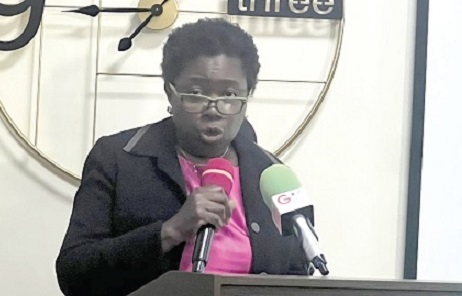
At a stakeholder engagement on sustaining advocacy for increased allocation to the Domestic Violence (DV) Fund led by FIDA-Ghana, they further called for the timely release and payment of funds into the DV Fund.
Background
Domestic violence remains a pervasive and deeply rooted challenge in the country, affecting the safety, dignity and well-being of countless individuals, especially women and children.
Section 29 of the Domestic Violence Act, 2007 (Act 732) established a fund as a critical mechanism for providing material and psychological needs for survivors, to build shelters, provide legal aid, rehabilitation and reintegration of survivors.
Despite its importance, the DV fund continues to receive a disproportionately low allocation of less than 0.01 per cent of the Ministry of Gender, Children and Social Protection budget. This has been the trend since 2021.
In addition, the budget analysis revealed alarming trends, which include an 87.66 per cent reduction in DV Fund allocation in 2025 as compared to 2024.
Budget analysis
The Executive Director, FIDA Ghana, Susan Aryeetey, in a welcome address, said FIDA-Ghana conducted a budget analysis between 2022 and 2025, tracking allocations to the MoGCSP and the DV Fund which were the two key instruments of the country’s commitment to gender equality and protection from violence.
“Our analysis shows that from 2022 to 2024, there were modest but steady increases in the Gender Ministry’s budget allocations.
These increases, though minimal, reflected a gradual recognition of the ministry’s broad mandate and the urgent needs of women, children, and vulnerable populations it serves.”
However, she said the 2025 national budget presented a serious setback as the allocation to the MoGCSP had been reduced by approximately 87 per cent compared to 2024.
She said this “drastic reduction was not just a line item on paper but that it had profound implications for the lives of survivors of domestic violence, women’s empowerment programmes, and the ministry’s ability to coordinate national responses on gender, child protection, and social welfare.”
“For survivors, this cut means fewer functioning shelters, limited psychosocial and legal support, and a continued delay in implementing the free medical care provision guaranteed under the Domestic Violence Act.”
Mrs Aryeetey said despite the legal mandate under the DV Act 732, the DV Fund has not been consistently financed or disbursed, noting that many frontline responders, including shelters, legal aid providers, and medical practitioners, continue to operate without adequate support.
To address these gaps, our analysis calls for urgent policy action and reform to decentralise the DV Fund, empowering regional and district offices of the MoGCSP and the Domestic Violence Secretariat to access and utilise funds directly to support survivors.
She also called for the establishment of clear and dedicated budget lines for the DV Fund in both national and subnational budgets to improve transparency and accountability.
A Gender Consultant, Frank Bodza, who took participants through budget allocations into the DV Fund, called on the media to raise public awareness of the importance of resourcing the DV Fund.
He also called on the media to help intensify the campaign, particularly during the budget preparation and approval process that is in November to December 2025, as well as raising the relevant questions with the sector ministry and the Parliamentary Select Committee on Gender
Writer’s email:
