


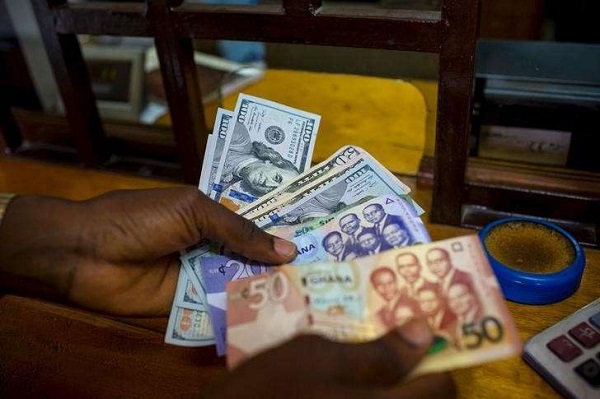
Carrying over $10,000? Here’s what Bank of Ghana’s new currency rules mean for you
The Bank of Ghana has announced new amendments to its guidelines on the importation and exportation of foreign currency as part of enhanced anti-money laundering measures.
In a notice issued on Wednesday, August 27, 2025, the central bank said the revised rules, which take effect from September 1, 2025, will apply to all travellers entering or leaving Ghana by air, sea, or land, as well as to importers.
Under the new framework, travellers are allowed to carry up to US$10,000, or its equivalent in other foreign currencies and monetary instruments, without declaration.
However, those carrying amounts above this threshold must declare the funds in full using the official Foreign Currency Declaration Form (FX-5) provided by the Customs Division of the Ghana Revenue Authority. Inbound travellers must also present proof of declaration from their port of origin.
For outbound travellers carrying more than US$50,000, the rules require declarations to be supported with endorsed receipts from licensed forex bureaus, or bank slips evidencing the withdrawal or purchase of the foreign currency.
Importers must in addition provide valid import declaration forms, commercial invoices, and contracts where applicable.
The Bank of Ghana warned that failure to declare funds, making false declarations, or failing to provide the required documentation would attract severe penalties. These include immediate seizure of undeclared amounts, fines, or criminal prosecution.
The notice further clarified that monetary instruments covered under the regulations include coins, banknotes, travellers’ cheques, personal and cashier’s cheques, bearer shares, bonds, money orders, precious metals such as gold and silver, and prepaid wallets.
It also prohibited the transportation of foreign currency through mail or cargo, warning that such funds would be confiscated by the state.
Signed on behalf of the Secretary by Ms. Aimee V. Quashie, the directive underlined the central bank’s determination to strengthen compliance with the Foreign Exchange Act, 2006 (Act 723), the Anti-Money Laundering Act, 2020 (Act 1044), and the Customs Act, 2015 (Act 891) as amended.
Below is the entire public notice;
PUBLIC
BANK OF GHANA
NOTICE TO BANKS AND THE GENERAL PUBLIC
NOTICE NO. BG/GOV/SEC/2025/27
AMENDMENT TO THE GUIDELINES ON THE IMPORTATION AND EXPORTATION OF FOREIGN CURRENCY AS PART OF ANTI-MONEY LAUNDERING MEASURES
THIS NOTICE is issued under the Foreign Exchange Act, 2006 (Act 723), the Anti-Money Laundering Act, 2020 (Act 1044) and the Customs Act, 2015 (Act 891) as amended by the Customs (Amendment) Act 2020, (Act 1014).
1. Applicability / Scope
These amended Guidelines shall apply to all travellers entering or leaving Ghana by air, sea, land and any other entry or exit point, and importers.
2. Currency Limits Without Declaration
Travellers are permitted to carry up to US$10,000.00 (or its equivalent in any other foreign currency and monetary instruments) without declaration.
3. Declaration Requirements
a. Travellers carrying amounts above US$10,000 must declare such funds in full using the official Foreign Currency Declaration Form (FX-5) from the Customs Division of the Ghana Revenue Authority (GRA), indicating the source and purpose of the funds.
b. Inbound travellers carrying amounts above US$10,000 must also present proof of declaration of such funds from their port of origin or departure.
c. Outbound travellers with more than US$50,000 (or its equivalent in any other foreign currency and monetary instruments) must declare the funds on Form FX-5, and in addition, attach the following required documents:
i. Endorsed foreign exchange bureau receipt
ii. Endorsed bank slips evidencing withdrawal or purchase of the foreign currency.
d. Importers must provide the following in support of their transactions:
i. Endorsed foreign exchange bureau receipt
ii. Endorsed bank slips evidencing withdrawal or purchase of foreign currency.
iii. Endorsed copies of the following:
Valid Import Declaration Form (IDF)
Valid Commercial Invoice
Contract (if applicable)
4. Penalties for Non-Compliance
Failure to declare funds, making of false declaration, or failure to provide relevant required documentation shall result in:
a) immediate seizure of the undeclared amount (or monetary instruments);
b) fines; or
c) criminal prosecution.
5. Monetary instruments include:
a. Coins
b. Cash/Currency
c. Travellers Cheques
d. Personal and Cashier Cheques
e. Bearer Shares and Bonds
f. Money Orders
g. Gold/Silver/Precious Stones
h. Prepaid Wallets
6. Foreign currency shall not be transported through mail or cargo. Such funds shall be confiscated to the State.
7. These Guidelines shall take effect on September 01, 2025, and shall remain in force until otherwise amended or revoked by the Bank of Ghana.
(SGD)
AIMEE V. QUASHIE (MS.)
27TH AUGUST 2025
FOR: THE SECRETARY