
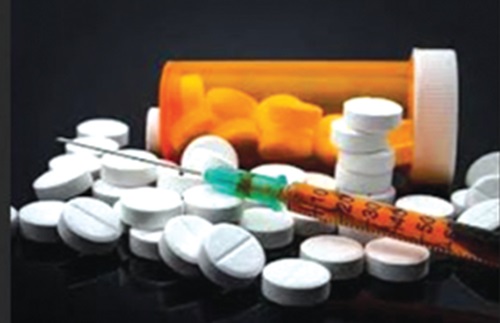
Ghana’s efforts to address the growing impact of drug misuse and overdose have taken on renewed urgency as the country deepens its participation in International Overdose Awareness Day (IOAD), a global campaign first observed in Melbourne, Australia, in 2001.
Ghana became the first West African country to formally join the observance in 2021, signalling a national commitment to reducing preventable deaths and approaching substance use through public health and human rights frameworks.
As the nation moves toward the close of 2025, strengthening overdose awareness across all regions has become not only a public health necessity but also a constitutional, moral, and developmental obligation.
Rise
Over the past few years, the rise in drug misuse, particularly among the youth, has heightened the need for sustained overdose education.
Data from the Ghana Mental Health Authority (MHA) show that drug-related admissions rose by nearly 25 per cent between 2019 and 2023, with the highest rates recorded in Greater Accra, Ashanti and parts of Northern Ghana.
Communities such as Chorkor, Nima and Tamale continue to grapple with the misuse of tramadol, “kush,” and other opioids and synthetic substances.
Many families lack the knowledge and tools needed to respond to overdose situations, while persistent stigma discourages individuals from seeking early help.
The consequences are severe, ranging from respiratory failure and brain damage to long-term mental health disorders. Some survivors end up homeless or destitute due to the debilitating effects of overdose.
National implication
The national implications extend beyond individual tragedy. Increased social insecurity, reduced workforce productivity, and pressure on already-stretched health systems reflect the broader cost of inaction.
Article 34(2) of the 1992 Constitution requires the State to promote the welfare of all citizens, underscoring the need to treat overdose as a preventable public health issue rather than a moral or criminal failing.
The push for nationwide overdose awareness has been bolstered by civil society organisations and youth groups working to reshape Ghana’s approach to drug misuse.
Organisations such as Nwagbana Addiction Awareness Bushfire, Vision for Alternative Development (VALD), and the National Youth Authority (NYA) have demonstrated how community engagement can influence both behaviour and policy.
One notable initiative was the 2019 “Stay Alive Ghana” campaign, which reached more than 10,000 young people through workshops, campus outreach and social media education.
The campaign provided practical information on harm reduction, safe drug use practices, and the importance of seeking help early.
These efforts are anchored in Article 25(1) of the Constitution, which guarantees the right to education and supports calls for integrating overdose awareness into school and community learning programmes.
By promoting informed choices and reducing stigma, such initiatives advance Article 36(10), which mandates the State to ensure the physical well-being of its population.
Key
A key question now facing the country is whether Ghana can build a future where drug education replaces judgment and awareness replaces fear.
With an estimated 80,000 people at risk of substance-related harm each year, improving access to treatment and overdose response tools, such as naloxone, is central to preventing avoidable deaths.
In high-risk areas from the busy streets of Nima and Zongo communities to markets in Tamale, the calls for help are growing louder.
Incorporating overdose prevention into health training institutions, youth development policies, and primary healthcare operations aligns with the 2023 UN Political Declaration on Universal Health Coverage.
It also reinforces Article 15(1) of the Constitution, which upholds human dignity as inviolable.
Ensuring nationwide messaging through traditional media, social media, community engagements, town-to-town campaigns, and indigenous communication channels will help extend life-saving information to every corner of the country.
Essence
The essence of International Overdose Awareness lies in its belief that every life lost deserves recognition and every life at risk deserves protection.
In Ghana, the observance has grown from an annual event into a national movement advocating for dignity, compassion, and public health.
From Accra to Tamale, the fight against overdose seeks to replace silence with support and stigma with understanding.
As the first West African country to champion this cause, Ghana bears a responsibility to ensure that every citizen, regardless of age, background, or community, is equipped with the knowledge to prevent and respond to overdose emergencies.
Strengthening this commitment will not only save lives but also uphold Ghana’s constitutional values of health, dignity, justice, and social development for all.
Accra Technical University.
