

In recent years, many parents across Ghana and other parts of the world have been trying to adapt to the fast-changing world of their Gen Z and Gen Alpha children by learning social media trends, internet slang and digital culture.
They are making this effort to build and maintain stronger relationships with their children.
From attempting TikTok trends to trying to understand words and abbreviations such as “for real?”, “clock it”, “IDK”, “SMH”, “periodt” and “lowkey”, many parents are gradually stepping into a generation they often struggle to relate to.
While these efforts are helping some families, experts say the differences in communication styles, values and lifestyles between parents and young people sometimes create tension in many homes.
In an interview in Accra last Thursday, Clinical Psychologist and Senior Lecturer at the University of Ghana, Dr Jonathan Odame, attributed some of these tensions to differences in upbringing and technology rather than disrespect.
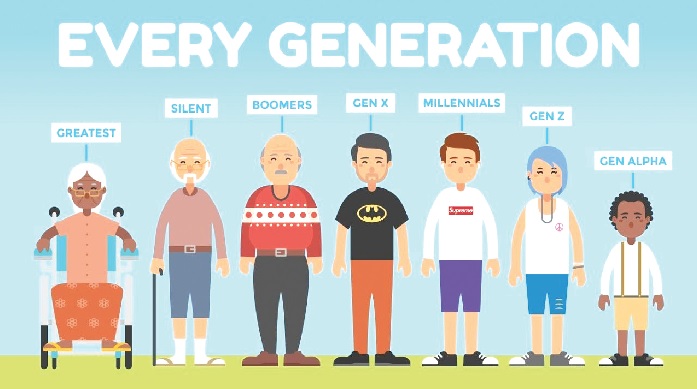
According to him, Gen-Z children, those born between 1997 and 2012, and Gen-Alpha, children born from 2013 onwards, are growing up in the digital age.
“These children are very, very digital. Smartphones, tablets, Artificial Intelligence (AI), social media and online learning are now part of everyday life for many young people. Unlike our time when all these didn’t exist,” he noted.
He added that these children also tend to value freedom, openly express their emotions and opinions and often crave to be heard and understood to the extent of sometimes challenging a viewpoint or looking to explain their side of the story.
Dr Odame said this often creates conflict with parents who were raised in stricter homes where children were expected to obey adults without questioning them.
He, however, stressed that being expressive should not automatically be interpreted as disrespect.
“If a child is vocal, it doesn’t mean the child is disrespectful. Parents should listen to their children while also teaching boundaries and respectful communication,” he noted.
Parents trying to adapt
Dr Odame commended the many parents trying to adapt to the habits of their children, adding that “I am even a victim, often finding myself using some of the slang with my children and students”.
“For instance, while I was explaining something to some students, one of them said, ‘For real’. I said, " Ah, which one too is that? They explained, and I sighed, saying you these children er,” he recalled.
He asked parents not to be worried or confused but to try to relate through love and understanding, explaining that, psychologically, that fosters stronger bonds and helps to better protect their children.
Cool parents
For some parents, being the ‘cool parent’ is the goal. These are the set that do not mind jumping on a dance challenge, playing dress up with their children and even escorting them to parties.
A 38-year-old mother of two, Mrs Akosua Gyaaba Mensah, recently downloaded TikTok after realising she barely understood what her teenage daughter talked about with her friends.
“She was always saying words I did not understand. I’ll read her conversations with friends, and it’s full of short forms of words. She’ll be laughing at what they call memes. They find so many things funny that I don’t find funny,” she said.
She noted that she had to join TikTok to better track her daughter’s online activities, adding that it had helped her connect more with her daughter.
“Now she sends me videos and explains trends to me. Sometimes we even laugh together. I still correct her when necessary, but now I understand her world better,” she said.
Another parent, Mr Richard Ofori, said his problem with the children was how they would laugh at adults who try to use their slang and tell them not to embarrass them.
“You can be texting with them, and they’ll be using emojis you don’t understand. When you ask, they’ll say you are ‘kolo’ or ‘oldie.’
Over permissiveness
Dr Odame, however, warned parents against becoming overly permissive in an attempt to appear “cool” but encouraged them to understand the culture of modern youth.
“When parents become too relaxed because they want to fit into the children’s culture, there can be a loss of respect and authority,” he explained.
According to him, children still need structure, discipline and parental guidance even in the digital age.
“Children grow better when they feel loved, heard and respected. But let’s monitor them, put passwords where due, limit screen time and discipline them where needed,” he said.
The psychologist advised parents to spend more time talking with their children offline, while also guiding them on responsible internet use instead of banning technology completely.
