

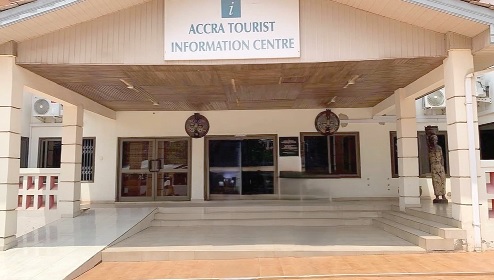
There is an old traveller's joke that goes: If you are lost, ask a local. If you want to remain lost, ask another tourist.
The point is simple. Good journeys are built on good information.
For more than a decade, this column has sought to provide exactly that - practical, reliable and engaging tourist information for readers, travellers and the wider tourism industry.
Tourist information is far more than a pile of brochures gathering dust on a counter. It is the lifeblood of every successful destination.
It equips visitors with useful knowledge about attractions, accommodation, transportation, restaurants, festivals, heritage sites, shopping, safety and local customs.
In many destinations, tourist information centres perform this role, becoming the first friendly handshake between a community and its guests.
The value of tourist information begins long before a traveller packs a suitcase. It helps people choose destinations, compare experiences and design realistic itineraries.
Armed with accurate maps, guides and transport details, visitors spend less time wandering in circles wondering whether Google Maps has betrayed them and more time enjoying the destination.
Information also deepens the travel experience. A waterfall is beautiful when visitors understand its history and symbolism, but knowing the legend behind it makes it unforgettable.
A colourful festival becomes richer. Tourist information introduces travellers to museums, traditional ceremonies, historic landmarks, performing arts and local cuisine, transforming sightseeing into genuine cultural appreciation.
Equally important is the role tourist information plays in connecting visitors with local communities. Information centres often recommend neighbourhood restaurants instead of international chains, introduce tourists to local artisans, licensed tour guides and community-based attractions, ensuring that tourism revenue reaches the people who preserve the culture visitors have come to experience.
Responsible tourism also depends heavily on information. Today's traveller increasingly wants to know which attractions protect wildlife, which hotels embrace sustainable practices and which tour operators respect local communities.
Tourist information encourages environmentally responsible behaviour by promoting eco-friendly accommodation, conservation projects, waste reduction and respect for cultural heritage.
After all, nobody wants to be remembered as the tourist who fed a monkey with potato chips or carved their initials into a centuries-old monument.
Accessibility has become another essential pillar of modern tourism. Reliable tourist information identifies wheelchair-friendly facilities, accessible transport, special-needs services and attractions designed to accommodate every traveller.
Inclusive tourism is no longer a luxury; it is a hallmark of a mature destination.
Safety remains one of the most important reasons travellers seek information. Visitors need guidance on emergency contacts, healthcare facilities, weather conditions, local regulations and cultural etiquette.
A little advice can prevent unnecessary embarrassment - or expensive mistakes. Knowing when to remove one's shoes, how to greet elders or which beach currents to avoid can make all the difference between a memorable holiday and a memorable disaster.
Tourist information offices are also powerful engines for destination marketing. They showcase hotels, guesthouses, restaurants, festivals, tour packages and recreational activities while providing personalised recommendations that no algorithm can quite replicate.
Behind every smiling information officer is a walking encyclopedia of local knowledge, often eager to reveal hidden gems that rarely appear in glossy brochures.
The economic benefits are equally significant. Every informed visitor is more likely to stay longer, spend more and return with friends.
Local businesses gain visibility, communities benefit from increased visitor spending and destinations strengthen their reputation through positive word-of-mouth.
In tourism, good information is one of the cheapest investments with the highest returns.
Perhaps, the greatest contribution of tourist information is confidence.
Travelling to an unfamiliar place can be intimidating. Clear directions, honest advice and dependable recommendations reassure visitors that they are welcome and well prepared.
That confidence encourages exploration, curiosity and meaningful encounters.
As Ghana continues to position itself as one of Africa's leading tourism destinations, tourist information deserves greater attention than it often receives.
Attractive visitor centres, updated digital platforms, knowledgeable personnel and accessible information should not be treated as optional extras. They are essential tourism infrastructure.
Tourism is often described as the business of experiences. Yet, memorable experiences rarely happen by accident. They are carefully supported by accurate information delivered at the right time.
A destination may possess magnificent beaches, remarkable wildlife, fascinating history and warm hospitality, but without reliable tourist information, many visitors will never discover their full value.
In tourism, information is not merely about answering questions. It is about opening doors, building confidence, creating unforgettable memories and ensuring that every journey ends with one sentence every destination longs to hear: "I will come back."
