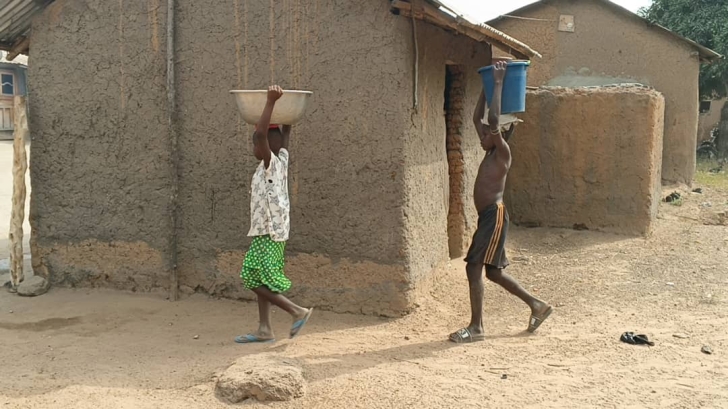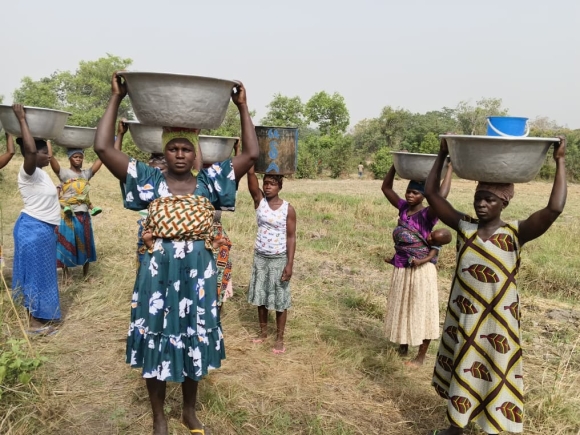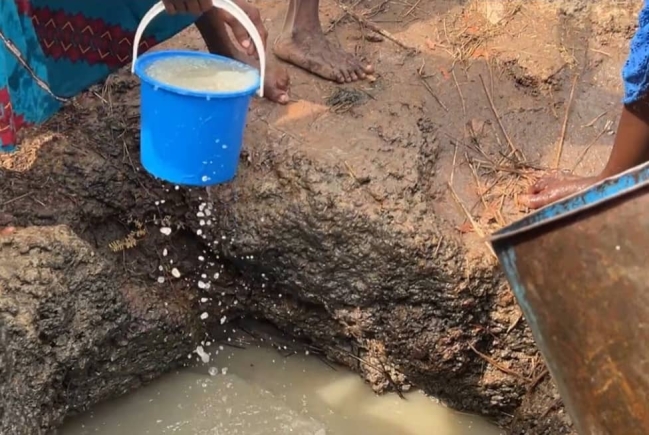
In Nyankpani, a rural farming community in the Nanumba South District of the Northern Region, the daily search for water has become more than a struggle for survival — it has become a silent crisis pulling families apart.
According to the 2021 Population and Housing Census, the Nanumba South District has a population of about 106,374 people, with nearly 79 per cent living in rural areas where access to basic services is limited.
Despite national and global commitments under Sustainable Development Goals (SDG) 5 and 6 — which aim to promote gender equality and universal access to safe water — many communities here remain severely underserved.
In some electoral areas within the district, potable water access has been reported as low as 8 per cent of the population, highlighting deep gaps in water service provision.
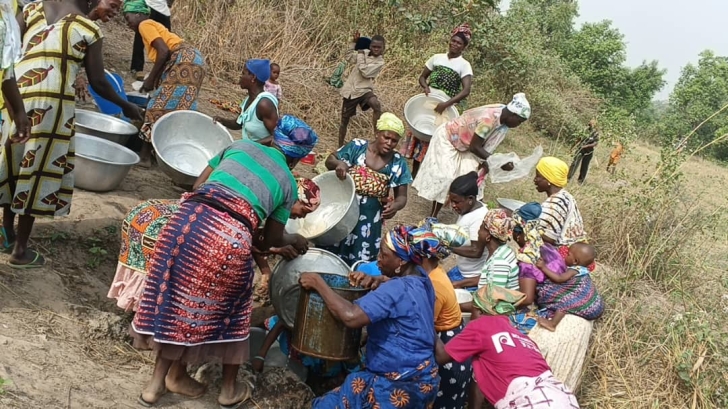
In Nyankpani alone, the community has only one standby-borehole intended to serve over 1,000 people — and it is barely functioning.
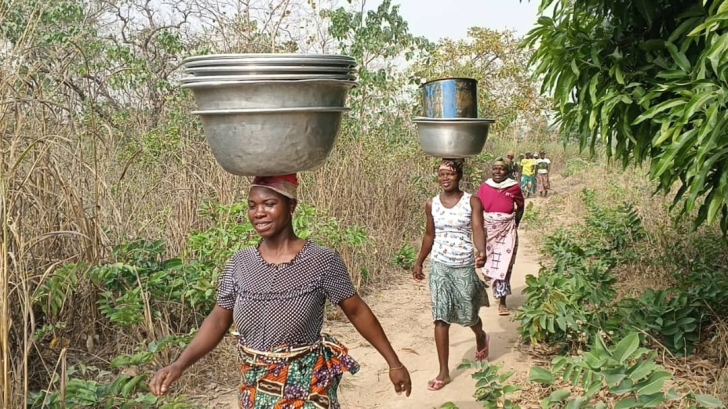
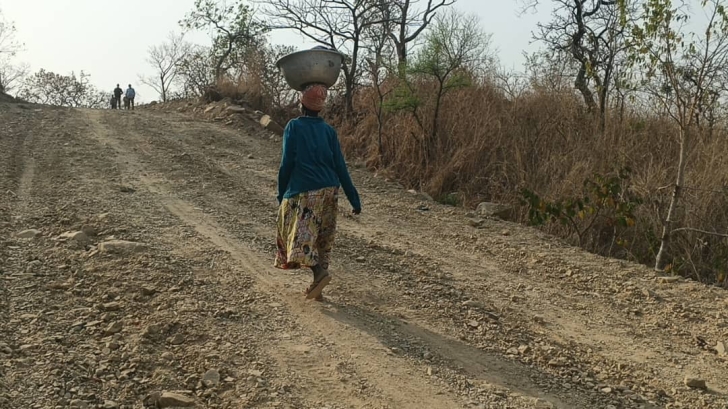
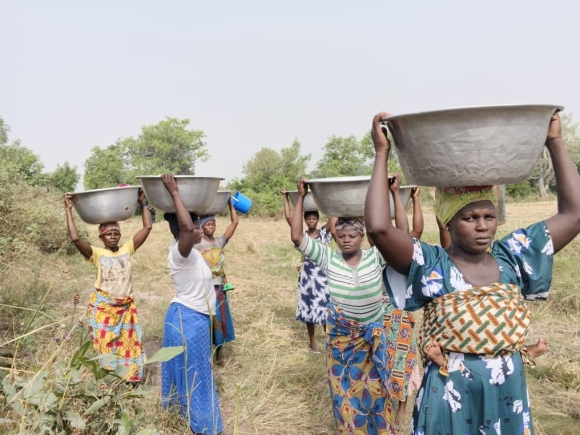
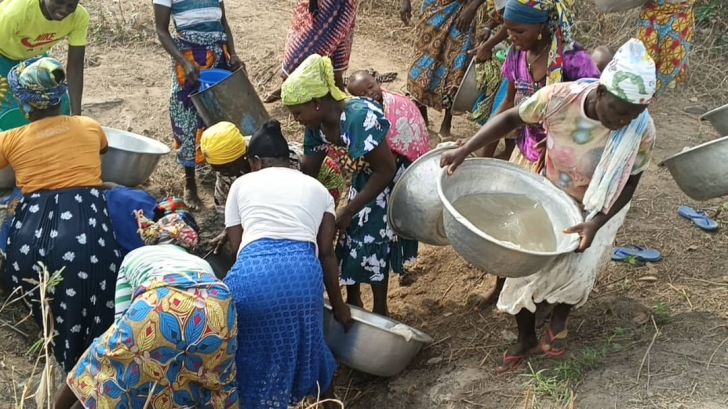
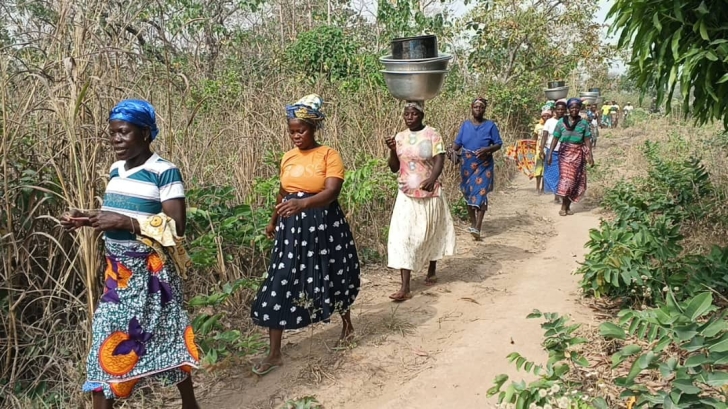
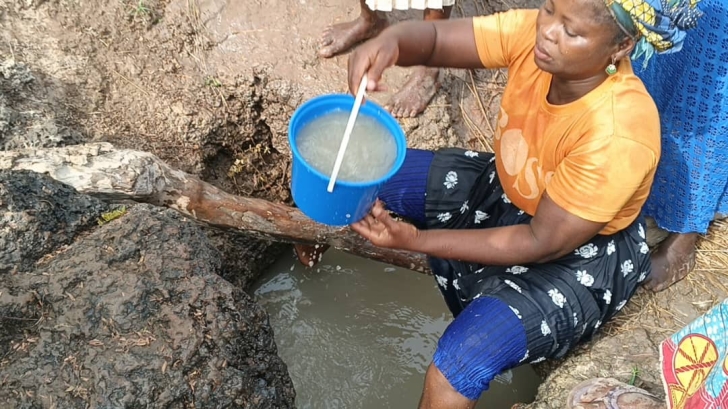
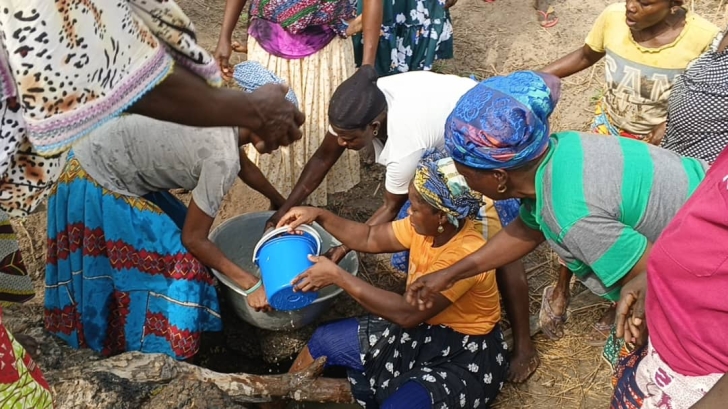
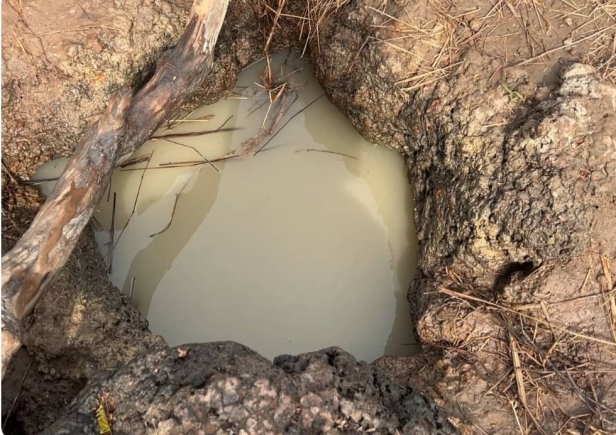
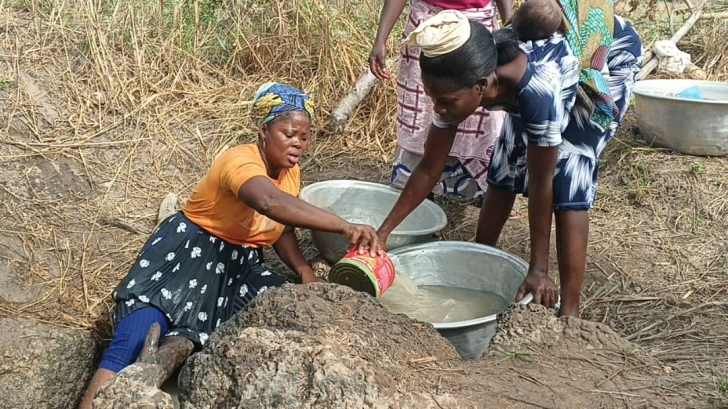
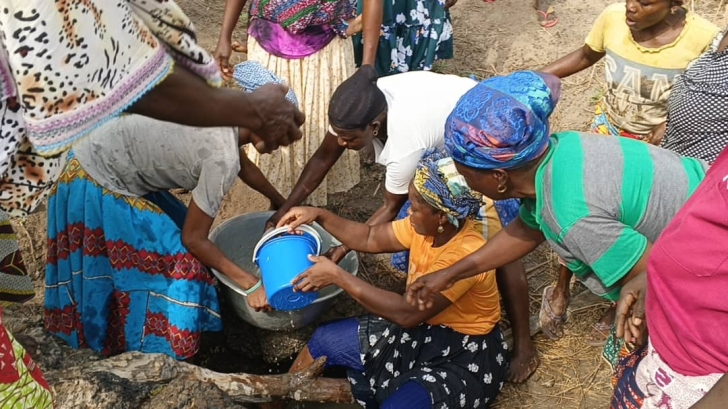
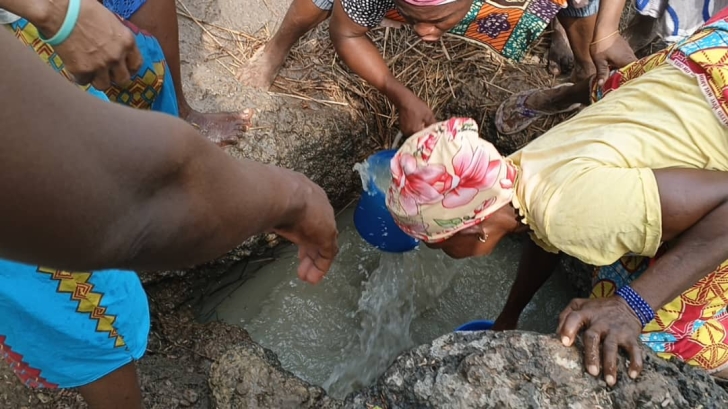
With no alternative, women walk nearly three kilometres into the bush to fetch water from an unprotected natural well and a standby borehole shared with neighbouring communities, Yadodo and Wumbeijado.
To secure water, many women wake as early as 3 a.m., while others sleep overnight at the water points. The long hours away from home often come at a painful cost.
“When you come back late, your husband is already angry,” one woman told Graphic Online. “Food delays, children are late for school, and that is when the insults and beatings start.”
Some of the women said repeated delays in cooking, farming, and childcare have triggered confrontations with their spouses. Others noted that the crisis has even affected intimacy at home, worsening mistrust and tension.
“Imagine leaving your husband in the middle of the night to search for water,” said Tafimi Bons, pointing to a lasting scar on her leg. “That is the only time you are supposed to be together. When misunderstandings come, it ends in violence.”
Health risks
Health workers in Nanumba South have repeatedly warned that dependence on unprotected water sources increases cases of diarrhoea, typhoid, and skin infections, particularly among children during the dry season.
For Nyankpani women, however, the risk is unavoidable.
“Sometimes we find frogs, snakes, or even dead animals inside the well,” said Ama Ganiu. “We remove them and still fetch the water because we have no other choice.”
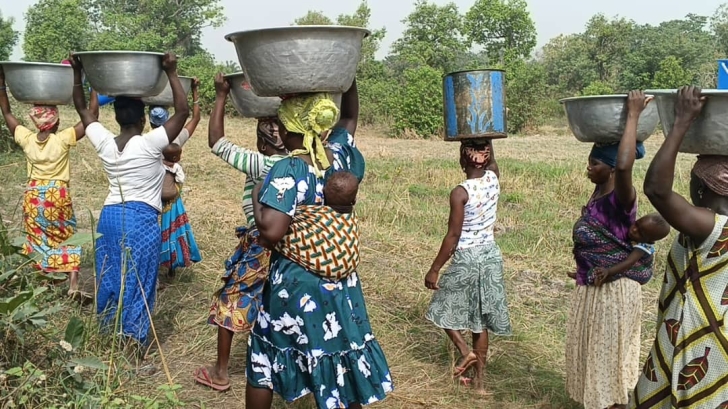
Beyond disease, women report snake bites, deep cuts during night journeys, and chronic waist and spinal pain from carrying heavy containers over long distances.
Education affected
Children are also bearing the burden. Many arrive late to school or miss classes entirely after helping their mothers fetch water at dawn.
Some have dropped out, deepening the district’s educational challenges.
A pupil of Nyankpani D/A Primary School, Dokurugu Uyanabii, and his sister, said their frequent absence from school has become normal and appealed for urgent help.
Pressure on the single shared borehole has also fueled disputes among women from Nyankpani, Yadodo, and Wumbeijado, leading to frequent quarrels and community disunity.
A resident, Abdul Aziz Unkpi, said the crisis is tearing families apart.
“Some men cannot even find wives because women from other communities do not want to suffer like this,” he said, lamenting the abandonment of a mechanised borehole project initiated by a previous assembly.
Calls for intervention
Residents are appealing to the Nanumba South District Assembly, Member of Parliament, NGOs, and development partners to urgently repair broken facilities and invest in additional water infrastructure — noting that district-wide access to potable water remains far below targets set under SDG 6.
“If the water problem is solved, peace will return to our homes,” Mr. Aziz said.
The Assembly Member for the Wulensi East Electoral Area and Presiding Member, Mr. Mahamudu Mutaru, confirmed that the issue has been repeatedly tabled at the Assembly and assured residents that efforts were ongoing to find a lasting solution, despite challenges posed by the area’s low water table.
Until then, women in Nyankpani continue to pay the hidden price of water scarcity — with their health, safety, and dignity.