
Football is woven into the fabric of Ghanaian life and nothing unites the nation quite like the Black Stars’ participation in the World Cup.
From Accra to Tamale, from Europe to the Americas, Ghanaians everywhere drop their differences to rally behind the national team. Yet, with that passion comes expectation—and a painful memory.
The disaster that unfolded during the 2014 World Cup in Brazil remains one of the most embarrassing chapters in Ghana’s sporting history.
Scenes of player unrest, threats of boycotts over unpaid bonuses and the infamous airlifting of $3 million to pacify the team left the nation humiliated on the global stage.
This meltdown overshadowed the brilliance of the squad that nearly made the semi-finals just four years earlier in South Africa.
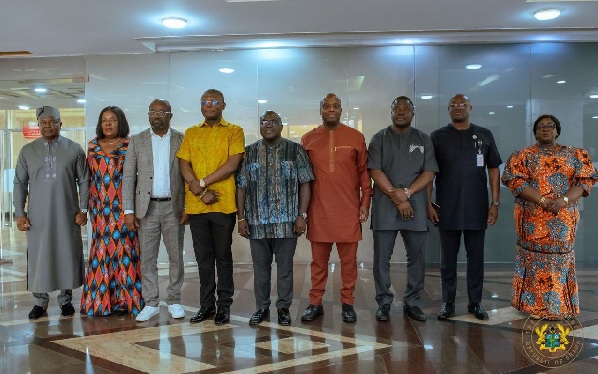
Now, with Ghana set to return to the global stage at the 2026 World Cup in the USA, Canada and Mexico, a fresh opportunity has emerged: the establishment of an 11-member committee to oversee preparations.
It is a bold and necessary step. For perhaps the first time, Ghana seems prepared to implement a structured, professional approach to World Cup planning.
The committee includes respected figures such as Kofi Adams, Samuel Okudzeto Ablakwa, Stan Xoese Dogbe, Kurt Simeon-Okraku and Abedi Pele. Their expertise inspires confidence. But competence alone will not ensure success.
What will matter most is whether they are willing to confront and apply the hard lessons from our past.
The Justice Senyo Dzamefe Committee Report, born from the ashes of the 2014 debacle, must be their compass. It highlighted failures in management, communication, financial transparency and player discipline.
These issues were not merely administrative—they undermined our performance and tarnished our reputation. Ignoring those findings now would be reckless and self-inflicted sabotage.
The players, too, must rise to the occasion. Representing Ghana at the World Cup is a privilege, not an auction for personal gain. Monetary demands must not overshadow the national interest.
The World Cup remains the biggest stage to showcase talent, open doors and elevate careers. If the players give their all for the flag, the rewards—financial and otherwise—will follow.
As the new committee begins its work, Ghana stands at a crossroads. The country has the talent, the passion and the national will to succeed.
What it needs now is discipline, accountability and foresight.
If this committee embraces transparency, adheres to tested recommendations and places the nation above all else, Ghana will arrive at the World Cup prepared—not just in spirit but in structure.
The Black Stars deserve better. The fans deserve better. Ghana deserves better.
This World Cup cycle must mark a new chapter—one defined not by crisis but by competence.
