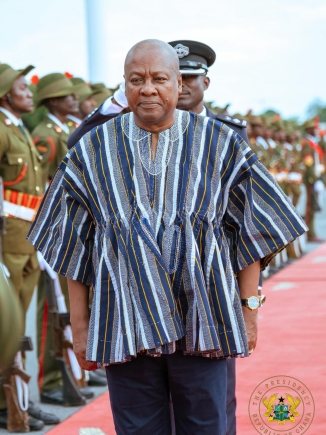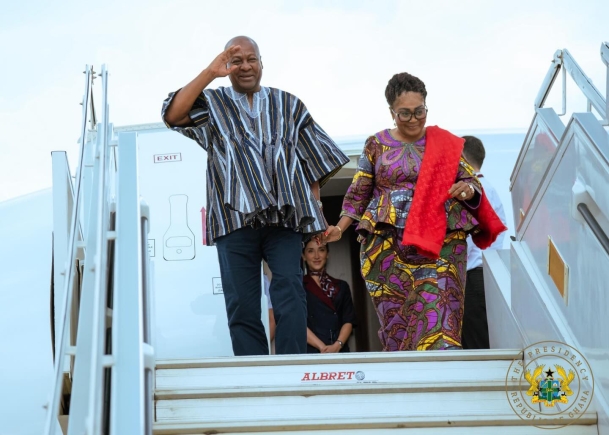
The Ghanaian smock, popularly known as fugu or batakari in some northern dialects, stands as one of the most iconic and enduring symbols of Ghanaian cultural heritage.
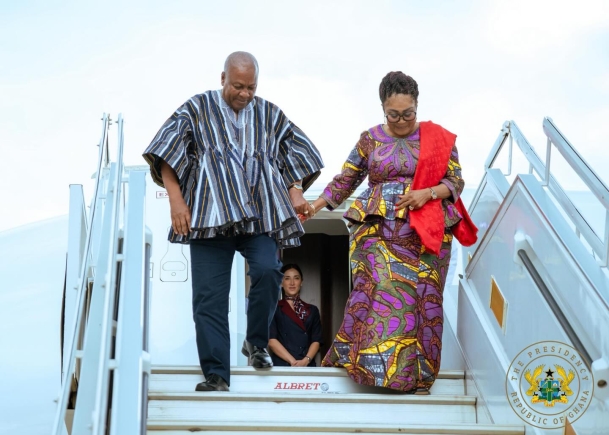
Originating primarily from the northern regions of Ghana and with linguistic and historical ties to neighboring West African communities such as the Mossi people, where the word “fugu” itself means “cloth,” this garment has been crafted for centuries. Skilled artisans weave narrow strips of cotton on traditional looms, sewing them together to create a loose, flowing tunic often paired with matching trousers.
The designs feature vibrant colors, intricate geometric patterns, and occasionally protective amulets, reflecting the smock’s early roles as warrior attire, chiefly regalia, and ceremonial dress used in battle, rituals, and important social occasions.
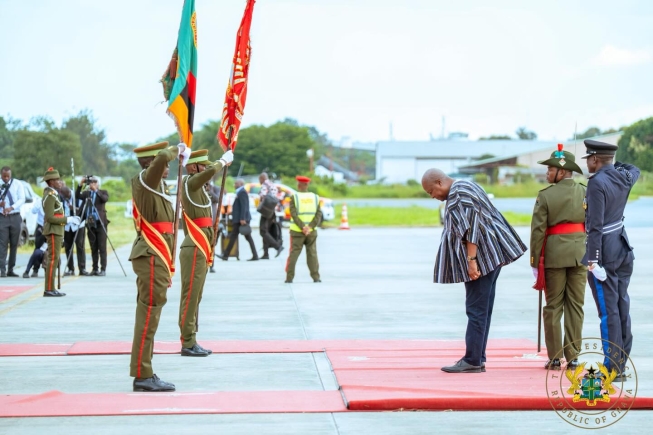
Over time, the fugu transcended its regional origins to become a powerful national emblem of
identity, pride, and resistance. It achieved global recognition on March 6, 1957, when Osagyefo Dr. Kwame Nkrumah and members of the Big Six deliberately chose to wear splendid fugu smocks during Ghana’s declaration of independence at the Old Polo Grounds in Accra.
By rejecting Western suits in favor of this indigenous garment, Nkrumah made a bold statement of pan-African pride, cultural confidence, and the concept of the “African Personality.”
The image of leaders standing in their handwoven smocks remains one of the most powerful visual representations of Africa’s decolonization struggle and the reclaiming of self-determination and dignity.
Subsequent Ghanaian presidents, including Jerry John Rawlings and John Evans Atta Mills, continued this tradition by wearing fugu for state ceremonies, funerals, and significant national events, cementing its place as attire that conveys leadership, strength, royalty, and deep cultural rootedness.
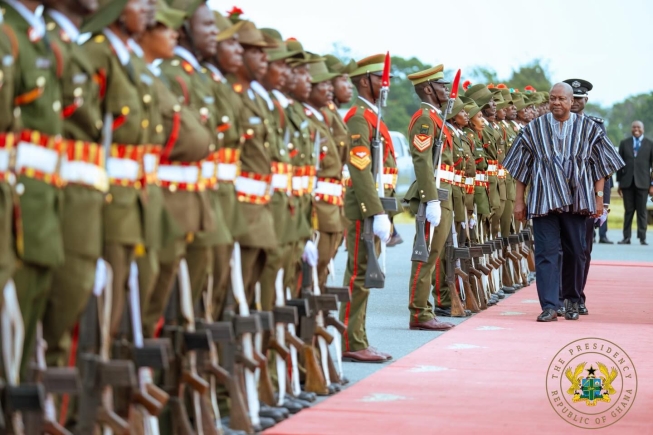
For many people in northern Ghana, the smock holds special personal meaning and is often reserved for life’s most important milestones.
On 4th February, 2026, during his three-day state visit to Zambia, President John Dramani Mahama arrived in Lusaka proudly wearing a traditional fugu smock. Echoing Nkrumah’s historic gesture, this choice was a deliberate display of Ghanaian heritage and a quiet assertion of pan-African solidarity on the continental stage.
Unfortunately, some Zambian social media users responded with amusement or ridicule, finding the regal garment unfamiliar and treating it as something comical or costume-like.
While the reactions may have been intended as light-hearted, they exposed a deeper and more troubling reality: a lingering ignorance of one another’s traditions that stems from the colonial era’s deliberate fragmentation of African knowledge and mutual understanding.
Africa’s true strength lies in its rich diversity, but genuine unity demands far more than political declarations, economic initiatives like the African Continental Free Trade Area, or popular hashtags.
It requires active, intentional cultural education and exchange. When Africans learn to recognize and respect the symbols that matter to one another, the fugu as a mark of royal heritage and independence in Ghana, the chitenge as an expression of everyday elegance and resilience in Zambia, the dashiki as a celebration of creativity and festivity in Nigeria, or the kanzu as a symbol of modesty and tradition in East Africa, laughter at difference gives way to admiration and shared pride.
Borders that once divided can become bridges of mutual respect and appreciation. Colonialism worked hard to erase cross-cultural awareness and impose hierarchies that made one people’s customs seem superior or “normal” while others appeared strange. That legacy persists today in subtle forms through online mockery, assumptions of cultural unfamiliarity, or the failure to teach younger generations about the continent’s shared and varied heritage.
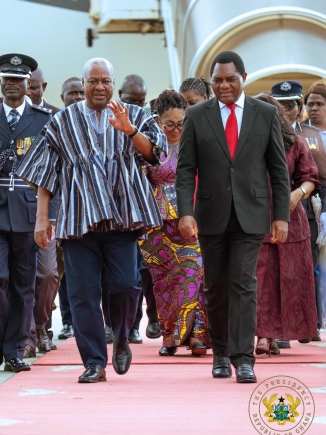
Overcoming it begins with curiosity: asking a friend from another country what their traditional attire means, sharing the story behind one’s own, and making these exchanges part of everyday conversation.
President Mahama’s decision to wear fugu in Lusaka was more than a fashion choice; it was a reminder of the common struggles and bright shared future that Africans can build together.
Unity must be cultural as much as it is political and economic. It starts with small, deliberate acts of learning and respect. When one African stands tall in their heritage, the entire continent rises.
Pride in one is pride in all. By turning ignorance into knowledge and division into connection, Africans can weave their diverse threads into a stronger, more united future, one respectful exchange at a time.