
NGOs catalyst for change, national dev’t
In the heart of every thriving nation lies the collective effort of its institutions, communities and dedicated individuals working tirelessly to improve the lives of its citizens.
Perhaps some individuals or organisations helping to build our nation, but have been forgotten, are not-for-profit or Non-Governmental Organisations (NGOs).
Their efforts are often hampered by limited resources, insufficient support and a lack of recognition from the government and other stakeholders.
Having worked in the NGO space for some time now, I have had the opportunity to witness first-hand the transformative impact that well-organised, community-driven initiatives can have — particularly on our children, the future leaders.
The time has come as a nation to acknowledge these organisations as vital partners in nation-building and extend the necessary support to help them achieve their full potential.
They need the support of everyone, including the government, corporate organisations and benevolent individuals.
NGOs' role
Non-profit organisations are crucial in complementing the government’s efforts by targeting gaps in social services, education, health and community development.
They serve as a catalyst for change in underserved communities where government interventions may be limited, delayed or sometimes non-existent.
These organisations provide safe spaces for children for educational programmes, health awareness and emotional support — elements essential for nurturing well-rounded, resilient individuals.
In my work, I have seen the positive ripple effects of empowering children through education and health initiatives.
Yet, these initiatives often operate on constrained budgets, relying heavily on donations and volunteers.
Without sustainable funding and policy backing from the government, their capacity to reach more children and extend their reach remains limited.
Support from the government and corporate entities can come in various forms — funding and grants by establishing dedicated funds to support community-based projects to improve living standards, education and health of children.
The government needs to develop policies that recognise and integrate NGOs into national development plans through a coordinated approach.
Individuals working in the NGO sector need training and mentorship programmes to build their capacity and resources to help them operate more effectively, efficiently and sustainably.
As players in the sector, NGOs must form partnerships to dialogue with the government to foster mutual understanding and cooperation.
Through collaboration, the government can foster a more inclusive approach to development — one that truly addresses the needs of all citizens, especially the vulnerable.
I believe these interventions will go a long way in expanding the reach of these NGOs, improving service delivery and ensuring long-term sustainability.
Future we envision
I envision a Ghana where every child has access to quality education and can grow in a safe environment; a Ghana where our children live in good and healthy conditions.
Non-profit organisations are growth partners in this journey — ready to mobilise resources, innovate and serve with dedication. However, their efforts must be bolstered by the government's support and commitment.
Together, we can build a Ghana where children grow up in a safe, nurturing environment and communities thrive in unity and progress.
The time to act is now — let us join hands to uplift our communities and secure a prosperous future for generations to come.
In our collective quest for national development, supporting NGOs is not just an act of charity but a strategic move. It is an investment in our children and the future.
I call on the government, development partners and all stakeholders to recognise and empower these organisations, ensuring that no child is left behind and that Ghana’s development is truly inclusive and sustainable.
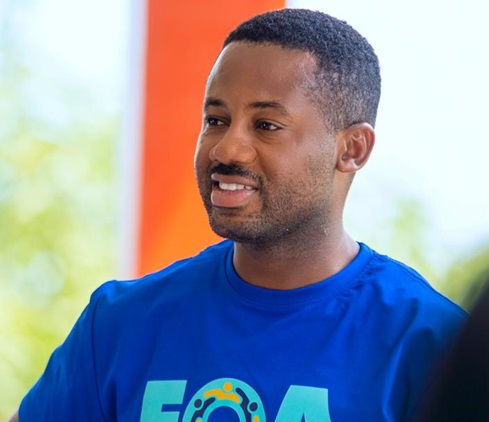
The writer is the Founder of EOA Heart for Kids Foundation
Email:
