
World Cancer Day: 4 In 10 cancer cases could be prevented globally
A new global analysis from the World Health Organisation (WHO) and its International Agency for Research on Cancer (IARC) shows that up to four in ten cancer cases worldwide could be prevented.
The study examines 30 preventable causes, including tobacco, alcohol, high body mass index, physical inactivity, air pollution, ultraviolet radiation, and, for the first time, nine cancer-causing infections.
Released ahead of World Cancer Day, February 4, the analysis estimated that 37 per cent of all new cancer cases in 2022, around 7.1 million, were linked to preventable causes.
The findings highlight the enormous potential of prevention in reducing the global cancer burden.
Drawing on data from 185 countries and 36 cancer types, the study identifies tobacco as the leading preventable cause of cancer, globally responsible for 15 per cent of all new cancer cases, followed by infections, ten per cent and alcohol consumption, three per cent.
First global analysis
Three cancer types – lung, stomach and cervical cancer – accounted for nearly half of all preventable cancer cases in both men and women, globally.
Lung cancer was primarily linked to smoking and air pollution, stomach cancer was largely attributable to Helicobacter pylori infection and cervical cancer was overwhelmingly caused by human papillomavirus (HPV).
“This is the first global analysis to show how much cancer risk comes from causes we can prevent,” said Dr André Ilbawi, WHO Team Lead for Cancer Control and author of the study.
“By examining patterns across countries and population groups, we can provide governments and individuals with more specific information to help prevent many cancer cases before they start,” she said.
Differences among men, women and in regions
The burden of preventable cancer was substantially higher in men than in women, with 45 per cent of new cancer cases in men compared with 30 per cent in women.
In men, smoking accounted for an estimated 23 per cent of all new cancer cases, followed by infections at nine per cent and alcohol at four per cent.
Among women globally, infections accounted for 11 per cent of all new cancer cases, followed by smoking at six per cent and high body mass index at three per cent.
“This landmark study is a comprehensive assessment of preventable cancer worldwide, incorporating for the first time infectious causes of cancer alongside behavioural, environmental and occupational risks,” said Dr Isabelle Soerjomataram, Deputy Head of the IARC Cancer Surveillance Unit and senior author of the study.
“Addressing these preventable causes represents one of the most powerful opportunities to reduce the global cancer burden,” she added.
Preventable cancer, the study said, varied widely between regions. Among women, preventable cancers ranged from 24 per cent in North Africa and West Asia to 38 per cent in sub-Saharan Africa.
Among men, the highest burden was observed in East Asia at 57 per cent, and the lowest in Latin America and the Caribbean at 28 per cent.
These differences reflect varying exposure to behavioural, environmental, occupational and infectious risk factors, as well as differences in socioeconomic development, national prevention policies and health system capacity.
The findings underscore the need for context-specific prevention strategies that include strong tobacco control measures, alcohol regulation, vaccination against cancer-causing infections such as human papillomavirus (HPV) and hepatitis B, improved air quality, safer workplaces and healthier food and physical activity environments.
Coordinated action across sectors, from health and education to energy, transport and labour, can prevent millions of families from experiencing the burden of a cancer diagnosis.
Addressing preventable risk factors not only reduces cancer incidence but also lowers long-term health-care costs and improves population health and well-being.
Health issue
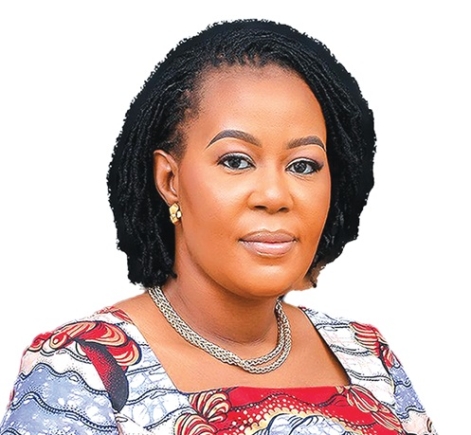
In a related development, as part of World Cancer Day, Nana Konadu Agyeman reports that the Member of Parliament for Ablekuma North, Ewurabena Aubynn, has urged the government and Parliament to treat cancer not only as a health issue but as a major developmental challenge that threatens Ghana’s economic growth, productivity and social stability.
She said available data from our health authorities and cancer registries showed that Ghana recorded over 24,000 new cancer cases annually, with breast, cervical, prostate, liver and colorectal cancers being the most prevalent.
“Sadly, many of these cases are diagnosed at advanced stages when treatment options are limited, costly and less effective,” she said.
Delivering a statement on the floor of Parliament to mark World Cancer Day 2026, she said investing in cancer care was, therefore, an investment in Ghana’s future.
“Let us commit ourselves to a Ghana where no citizen dies simply because they are poor; where early screening is accessible in every district; where cancer patients are supported with dignity, and where initiatives like MahamaCares are strengthened to become a lasting pillar of our health system,” she said.
Ms Aubynn warned that the increasing cancer burden in the country was having far-reaching consequences beyond the health sector, including rising poverty levels, loss of livelihoods and growing pressure on public resources.
She said cancer had become a common disease in Ghana, affecting people across all age groups, income levels and regions and could no longer be regarded as rare or distant.
Ms Aubynn said cancer was no longer a distant or rare disease in Ghana, but it was a growing public health challenge that cuts across age, gender, income level and geography.
In Ablekuma North, as in many other constituencies, she said there was an increasing number of families grappling with the emotional and financial burden of cancer.
“Rt. Hon. Speaker, the reality is that cancer not only threatens lives; it impoverishes households, disrupts livelihoods and places enormous pressure on our already stretched health system,” she said.
The MP pointed out that one of the most worrying aspects of the cancer burden in Ghana was late detection.
Many of Ghanaians, she said, still lacked access to regular screening services, and where such services existed, affordability remained a major barrier.
“Cultural beliefs, fear, misinformation and stigma further discourage early health-seeking behaviour.
As a result, too many Ghanaians present at health facilities when the disease has already progressed to critical stages,” she said
