
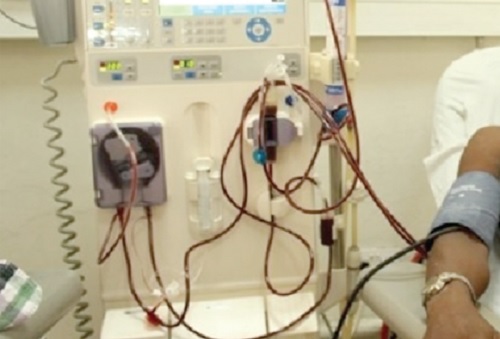
University of Ghana study links West African gene to higher kidney disease risk
A study by Professor Vincent Boima has revealed that genetics may be contributing significantly to the rising prevalence of kidney disease in Ghana and across West Africa.
According to the study, certain genetic traits found among many West Africans may increase susceptibility to chronic kidney disease (CKD), particularly when combined with other health and environmental factors.
Prof. Boima disclosed the findings during his inaugural lecture at the University of Ghana on Thursday under the theme, “From Genes to Mind: Holistic Pathways to Precision Kidney Care for Africa.”
He explained that a gene known as APOL1 is common among many people of West African descent and has been linked to a heightened risk of kidney-related illnesses.
“People with this gene are more likely to develop kidney disease, especially when other factors such as infections, high blood pressure, or poor living conditions are present,” he said.
The Professor noted that kidney disease is increasingly becoming a major public health challenge in Ghana, partly because many patients are diagnosed only after the condition has advanced to critical stages where treatment becomes difficult and costly.
He observed that the disease disproportionately affects younger and economically active populations, warning that the growing burden could have far-reaching economic and social consequences for families and the country.
Prof. Boima stressed the need for more African-led medical research to deepen understanding of how genetics influences kidney disease within the region.
“This will help doctors provide more accurate and effective treatment for patients,” he noted.
He further advocated expanded screening and early detection programmes to identify kidney disease before it progresses to severe stages.
“Genetic information should be used carefully and fairly to improve care and not to create fear or discrimination,” he added.
Prof. Boima also called on government and health authorities to strengthen healthcare systems, improve access to treatment, and intensify public education on kidney disease prevention and management.
He encouraged the public to adopt healthier lifestyles, including regular medical check-ups, blood pressure control, and balanced diets, as part of efforts to reduce the risk of kidney complications.
The inaugural lecture, held at the Great Hall of the University of Ghana, formed part of ongoing academic and medical discussions aimed at addressing the growing burden of kidney disease in Ghana and across the African continent.
