
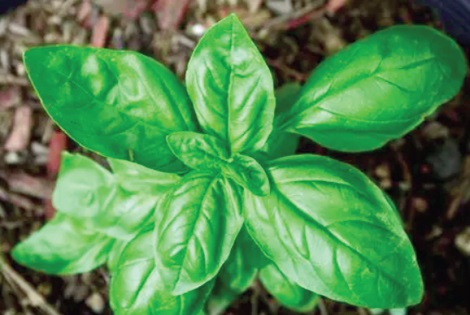
Walk through any Ghanaian kitchen, local market, or backyard garden, and you will likely come across a fragrant herb that many of us know well: Sweet Basil, which is known scientifically as Ocimum basilicum.
In Ewe, it is called “koklogbe”, and it is a name that is linked to preparing steamed chicken dishes.
For most Ghanaians, this herb is valued for the rich aroma and the flavour it adds to soup, stew and sauce.
New scientific research suggests that ‘sweet basil’ is more than just a seasoning.
A 2022 review of laboratory studies, which was published in the journal, Cancers, found that extracts from ‘sweet basil’ contain natural compounds that may help protect the body from cell damage and may even slow the growth of certain cancer cells.
Understanding cell damage
Every day, our bodies produce unstable molecules called free radicals as part of the natural process of digestion and other body processes.
Pollution, poor diet, and stress can increase the number of these free radicals in the body.
Left unchecked, these free radicals can cause damage to our DNA, proteins, and cells.
Indeed, these radicals behave like rust eating away at metal.
Medical doctors describe this process as “oxidative stress.”
Over time, oxidative stress contributes to ageing, heart disease, and even the changes in cells that can lead to cancer.
This is where antioxidants come in. Antioxidants are substances that neutralise free radicals before they cause harm, and ‘sweet basil’ is rich in them.
As many Ghanaian grandmothers may have long suspected without knowing the science behind it, these traditional herbs carry real healing power, and modern research is now confirming it.
What makes it special
Researchers have found that ‘sweet basil’ contains powerful natural compounds, including rosmarinic acid and other plant nutrients known for their strong ability to fight free radicals.
It also contains natural oils, such as linalool and eugenol, which give the herb its familiar smell while also offering health benefits.
‘Sweet basil’ appears to work in two ways: it protects healthy cells from damage, and in laboratory tests, it has also been shown to slow down or stop the growth of cancer cells, without harming healthy cells.
Cancer cells linked to breast and prostate cancer, two of the most common cancers in Ghana, were affected in these laboratory tests.
Researchers believe that compounds in ‘sweet basil’ may cause cancer cells to “self-destruct” and may also block substances cancer cells need to grow and spread.
These are some of the same targets that many chemotherapy drugs aim for, but with the potential for fewer harmful side effects.
Facts, caution
• Local name: “koklogbe” (Ewe)
• Key compounds: rosmarinic acid, linalool, eugenol
• Lab studies show effects on breast and prostate cancer cells
• Not a cure — a possible preventive, everyday addition to a healthy diet
It is important to note that drinking basil tea or eating basil soup or stew will not cure cancer, and it cannot replace medical treatments such as chemotherapy.
However, it may serve as a helpful, low-cost addition to a healthy diet that supports the body over time.
In Ghana, cases of non-communicable diseases like cancer are rising, making affordable, preventive health measures more important than ever.
Simple Basil tea
Wash a handful of fresh basil leaves and steep them in a cup of hot water for five to seven minutes.
Add a squeeze of lemon or a teaspoon of honey if you like and enjoy once daily as part of a balanced diet.
Scientists say the next step is to move from laboratory studies to clinical trials involving humans, so that the compounds in ‘Sweet Basil’ can be properly tested and possibly developed into natural medicines.
For now, adding fresh or dried ‘Sweet Basil’ to your everyday meals is a simple, affordable way to boost your body's natural defences.
So, the next time you spot ‘Sweet Basil’ in a garden or market, remember: it is more than a flavour enhancer.
It may be one of nature's own medicines, growing right in our backyards.
The writer is a final year Biochemistry, Molecular Biology student, School of Basic and Biomedical Sciences, University of Health and Allied Sciences, Ho.
